Fescue Lawns in Richmond Heat: How to Carry Them Through Summer Without Losing Half the Yard
Giving Hope Lawn Management • June 2026 • Richmond, VA
Tall fescue is a cool-season grass running in a transition-zone climate, which means Richmond summers are uncomfortable for it. The lawns that survive the heat best follow five practices: mow at 3.5 to 4 inches, water deeply twice a week in early morning, manage shade strategically, treat brown patch fungus promptly, and plan fall overseeding to rebuild.
Home > Single Post
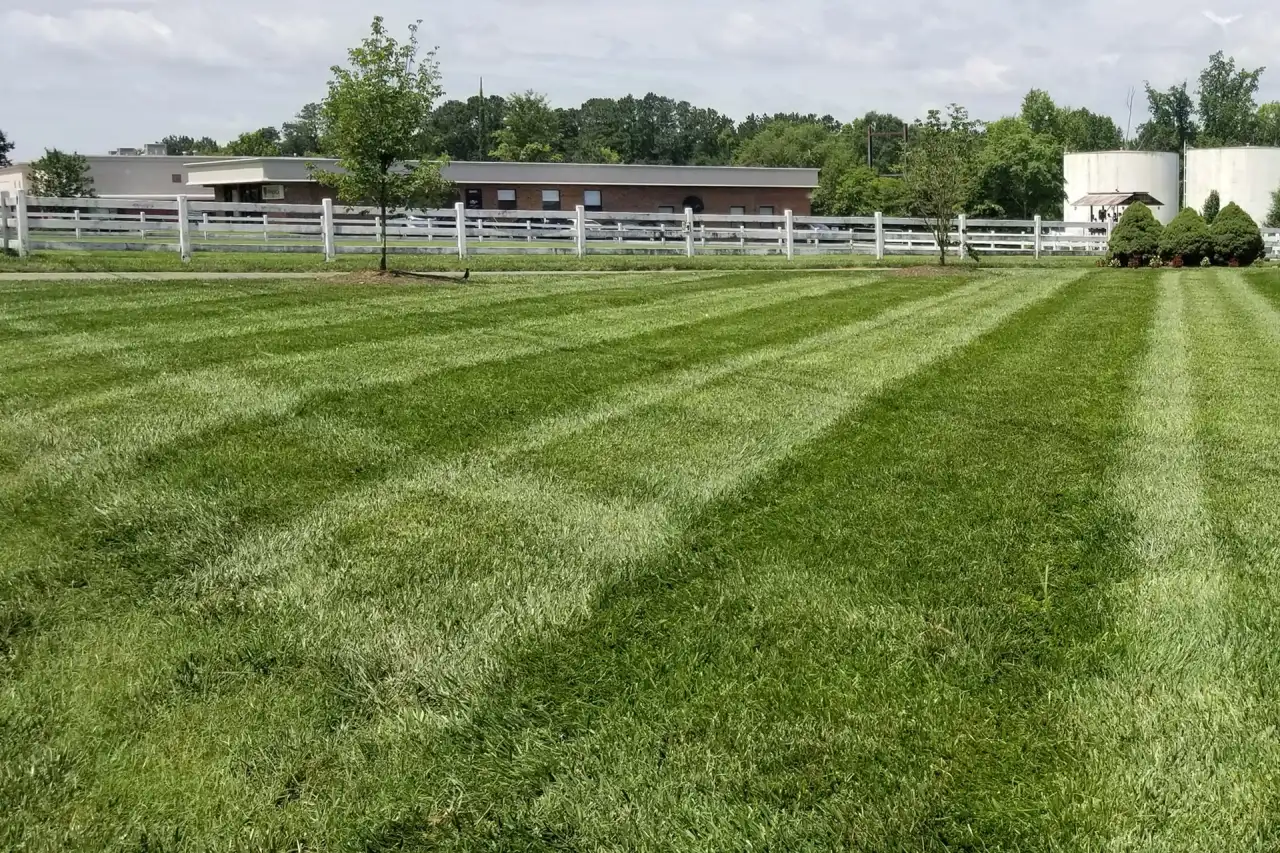
If you have a tall fescue lawn in Richmond, Glen Allen, Mechanicsville, or Henrico County, you already know the pattern. The lawn looks fantastic in April and May. By late June it starts showing stress. By August parts of it look dead or close to it. By September you are looking at thinning and bare spots that need work to recover. This is not a failure of your lawn care — it is a consequence of growing a cool-season grass in our transition-zone climate.
The Five Practices That Make the Biggest Difference
1. Mow Tall
Cut fescue at 3.5 to 4 inches through summer heat. Taller cuts shade the soil, reduce surface temperatures by 10 to 15 degrees, hold moisture longer, protect crowns, and reduce disease pressure. Never cut more than one third of the blade in a single mow.
2. Deep, Infrequent Watering
Apply about one and a quarter inches per week in two cycles, between 4 and 8 a.m. Early morning timing is critical — wet canopy overnight is the single biggest driver of brown patch disease. Use the screwdriver test: it should slide in 5 to 6 inches the morning after watering.
3. Shade Strategy
Fescue tolerates partial shade better than warm-season grasses, but dense shade increases disease pressure. Trim overgrown shrubs to improve airflow, thin tree canopies to allow morning sun, and accept that very heavily shaded areas may need ground cover rather than fescue.
4. Brown Patch Management
Watch for circular patches with smoky rings on dewy mornings. Treat with a fungicide labeled for brown patch within 3 to 7 days of detection. For lawns with brown patch history, a preventive fungicide program timed to disease pressure windows can dramatically reduce annual damage.
5. Plan for Fall Recovery
Accept that some summer thinning is normal, then commit to fall overseeding and renovation. The Richmond overseeding window runs from late August through mid October. Aeration, high-quality disease-resistant fescue varieties, and a fall fertility program produce dramatic recovery within 8 to 12 weeks.
Realistic Expectations Through Summer
Even with optimal management, fescue in Richmond shows some summer stress. Slight color fade, modest thinning, and small areas of damage are normal. The goal is not zero summer stress — that is unrealistic in our climate — but rather minimizing damage and maintaining a recoverable base for fall renovation.
Lawns we manage typically retain 75 to 90 percent of their spring density through summer with proper care. Damaged areas are concentrated in disease-prone or stress-prone zones rather than spread across the whole lawn. Fall overseeding rebuilds density and the lawn enters winter in better shape than the previous year.
The Most Common Fescue Mistakes We See in Richmond
Mowing Too Short
Cutting at 2.5 inches because tight grass looks better — this exposes crowns and heats the soil dramatically.
Evening Watering
Watering in the evening because that is when you are home — this essentially guarantees brown patch activity.
Summer Nitrogen Applications
Applying high-nitrogen fertilizer in May because the bag says spring application — this pushes soft, disease-prone growth.
Skipping Fall Overseed
Skipping fall overseeding because the lawn still looks acceptable — lawns decline year over year without annual renovation.
When to Consider Switching to Warm-Season Grass
For lawns where fescue continues to struggle despite optimal management, switching to Bermuda or zoysia is sometimes the right long-term move. The conversion is significant work but produces a lower-maintenance result that handles Virginia summer naturally.
Sun Exposure
Warm-season grasses need at least 6 hours of direct sun to thrive.
Traffic Patterns
Bermuda recovers faster from wear in high-traffic areas.
Conversion Cost
Conversion typically costs $2 to $4 per square foot installed — plan for next spring, not a same-summer rescue.
Realistic Cost of Maintaining Fescue in Richmond
Spring Program
Pre-emergent, broadleaf weed control, light fertility
$200 – $400
Summer Disease Management
One to two fungicide applications for brown patch
$200 – $400
Fall Renovation
Aeration, overseed, and fall fertility program
$400 – $800
Total annual professional program: $800 to $1,600. DIY costs are lower (approximately $300 to $600 for products) but require timing knowledge to execute correctly.
Frequently Asked Questions
Can I save a severely damaged lawn?
Usually yes, with fall renovation. Severe summer damage on fescue almost never means the lawn is permanently lost. Overseeding combined with aeration and proper fall fertility can rebuild damaged lawns within a single fall season.
Will adding nitrogen help in summer?
No. Heavy nitrogen on summer fescue pushes soft growth that is more susceptible to disease and heat stress. Hold nitrogen applications until fall.
Should I water more during a heat wave?
Slightly. During stretches of 95+ degree weather, you can add one extra cycle per week temporarily. Keep the cycles deep. Daily light watering is the wrong response.
Ready to Protect Your Fescue Lawn This Summer?
We are glad to walk your property and put together a custom approach. We will tell you straight what is realistic for your specific lawn and what fall work will be needed. We serve Richmond, Glen Allen, Mechanicsville, Sandston, and surrounding Henrico County communities.