Drainage Control
What Does Drainage Work Cost in the Richmond Area?
Giving Hope Lawn Management • October 2026 • Richmond, Glen Allen & Mechanicsville, VA • 8 min read
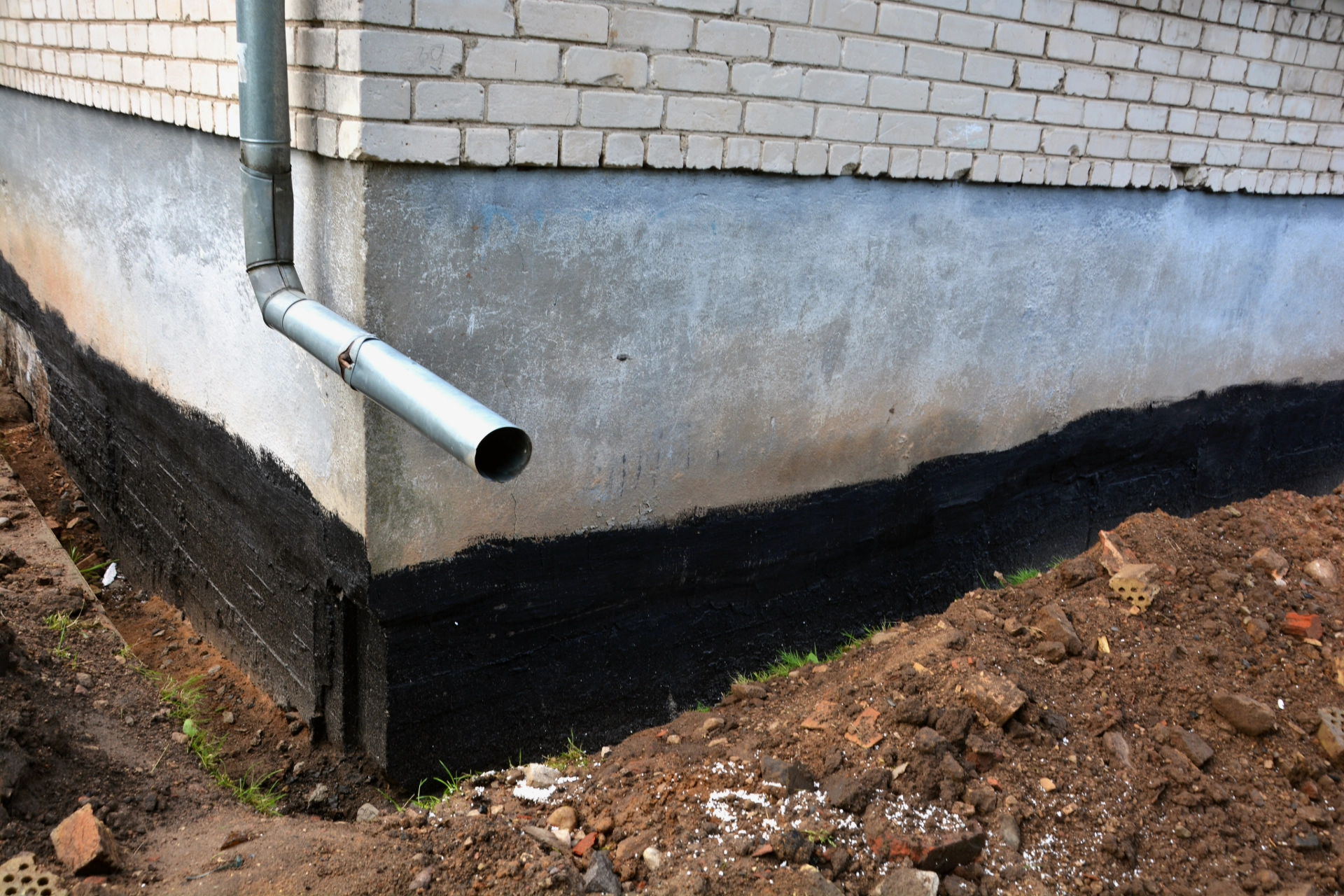
Short Answer: Drainage work is priced by linear foot of pipe plus the complexity of the site, and around Richmond most residential projects land somewhere between $1,500 and $8,000. Simple downspout extensions can run a few hundred dollars. A full system with catch basins, a long run, and a difficult outlet climbs from there. The largest cost drivers are length of run, depth, whether the pipe has to cross hard surfaces or tree roots, how much spoil has to be hauled off, and whether adequate fall exists or has to be manufactured.
Drainage is one of the harder services to price shop, because two contractors can look at the same wet yard and propose genuinely different solutions at genuinely different prices, and neither is necessarily wrong. That makes homeowners uneasy, reasonably.
So here are the numbers we work with, what actually drives them, and how to compare estimates that do not look comparable.
How It Gets Priced
Most residential drainage is quoted by linear foot of installed pipe, with additional line items for inlets, basins, outlets, and site conditions. That per foot figure covers excavation, pipe, bedding material where required, backfill, and basic restoration.
Around the Richmond area, installed cost commonly falls somewhere in the range of $30 to $90 per linear foot depending on depth, pipe type, whether stone and fabric are involved, and how difficult the access is. A French drain section with washed stone and filter fabric sits toward the upper end. A straightforward solid line carrying downspout water sits lower.
Catch basins typically add a few hundred dollars each installed. Pop up emitters are modest. A complicated outlet, meaning one that needs erosion protection or has to get through a retaining wall or under a walk, is priced separately because it is genuinely separate work.
Pulling it together, most residential projects we see land between roughly $1,500 and $8,000. Downspout extensions alone can be a few hundred. A full system on a difficult property with a long run and multiple inlets goes above that range.
What Drives Your Number Up
Five things account for most of the variation between a modest quote and a large one.
Length of run is the most direct. Water has to be carried to a viable discharge point, and if that point is a hundred and fifty feet away at the back property line, you are paying for a hundred and fifty feet regardless of how small the wet spot is.
Depth is second. A deeper trench means more excavation, more spoil, and slower work. Depth is usually dictated by the need to maintain fall, not by preference, which is why a flat lot can force deeper trenching than a sloped one.
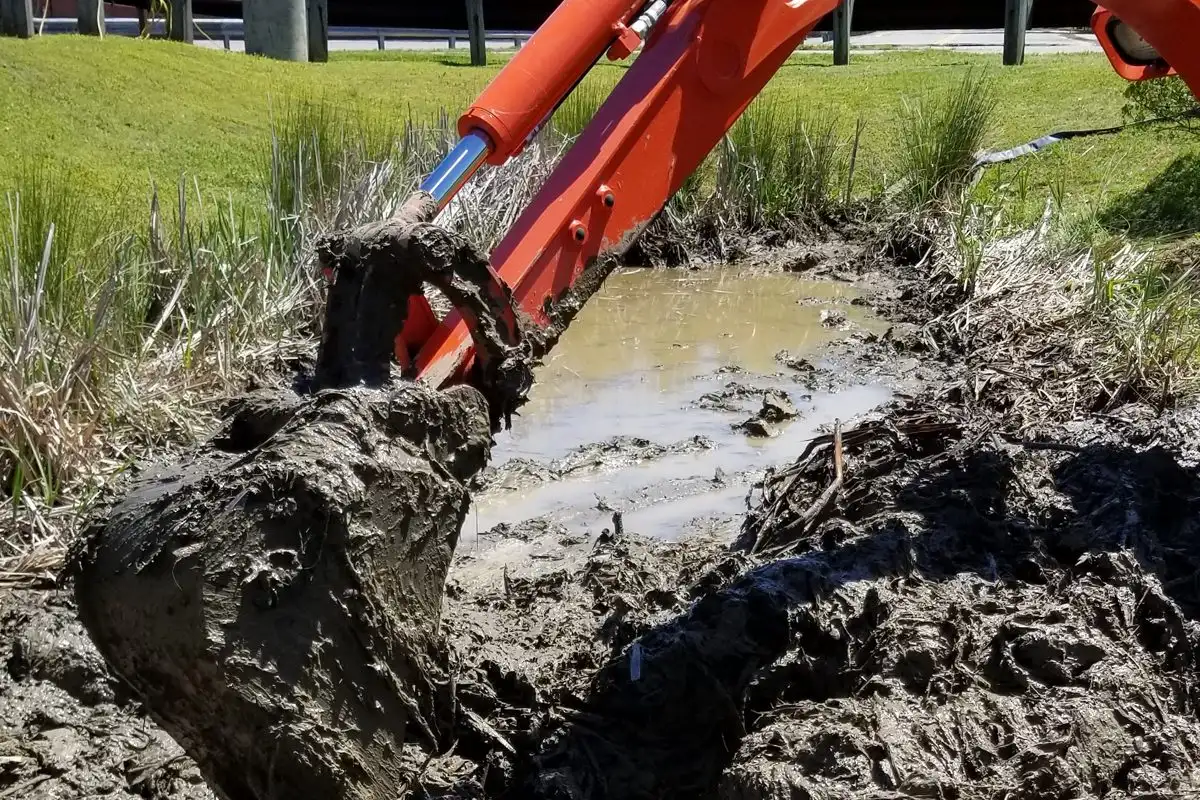
Obstacles are third and they are the most common source of surprise. Crossing a driveway or walk means boring under it or cutting and patching, and both cost real money. Mature tree roots mean hand digging rather than machine work, which is slow but necessary if you want to keep the tree. Existing irrigation and utilities mean careful work around them.
Spoil disposal is fourth and it is frequently underestimated. Our clay comes out heavy and in volume, and excavated soil occupies noticeably more space than it did in the ground. If it cannot be used on the property, hauling it off costs money.
Available fall is fifth and it is the one that can change a project entirely. Where a lot has adequate slope, gravity does the work. Where it does not, the design has to manufacture fall through depth, or in difficult cases involve a pump system, which adds equipment, electrical work, and ongoing maintenance.
Why Two Estimates Differ So Much
This is the question we get most and it deserves a straight answer, because the gap is often not what it looks like.
Most of the time, two quotes at very different prices are describing different scopes. One is extending downspouts and regrading a low area. The other is installing a full collection system with basins and a long run to the property line. Both might solve the problem, or the cheaper one might solve part of it. You cannot tell from the price.
The way to compare is to make each contractor state the same four things. Total linear feet of pipe. Pipe type and diameter. Number and type of inlets. Exact discharge location. Once you have those four for each quote, the comparison usually becomes obvious, and sometimes you discover the cheap quote had no answer for where the water goes.
Restoration scope is the other common gap. A quote that includes grading, sod replacement, and seeding is not comparable to one that leaves you with an open trench line to deal with yourself.
Where the Cheap Option Costs More
We would rather name these than be vague about it, because each one produces a system that fails and has to be redone.
Corrugated pipe on long runs is the most common. It costs less than smooth wall pipe, and the ridged interior slows flow and catches silt while the flexible material sags out of grade over time. It is appropriate in some applications and a poor choice for a main conveyance line you want working in fifteen years.
Skipping filter fabric saves a small amount on installation day and silts the stone in over a few years. On clay soil, which produces abundant fine particles, this is not a marginal call.
Unwashed stone is the same logic. Material with fines still in it packs together and the void space you paid for is not there.
Inadequate compaction on backfill produces the settled trench line that shows up across the lawn months later, and fixing it means bringing in soil and reseeding.
And the largest one, a system with no viable outlet. Water that has nowhere to go does not go anywhere. A trench full of stone in heavy clay with an inadequate discharge is an underground reservoir, and it is entirely possible to pay several thousand dollars for one.
Is It Worth It
Fair question, and the honest answer depends on what the water is actually costing you.
If it is water entering a crawl space or basement, which is common in older Richmond homes, the math is usually straightforward. Persistent moisture under a house leads to structural and air quality problems that cost far more than drainage work does.
If it is a chronically wet area that kills turf and limits how you use the yard, it is a quality of life and property value judgment. Those are legitimate reasons and only you can weigh them.
If it is a low spot that holds water for a day after heavy rain and then dries, that may not warrant a system at all. Some seasonal wetness is normal on clay, and we would rather tell you that than sell you a project.
Where drainage clearly is not worth it is a spot that stays wet because there is genuinely nowhere for water to go on the property. In that situation a rain garden planted for periodic saturation is usually the better investment.
What You Can Do Yourself
Worth covering, because some of this is genuinely accessible and it can reduce the scope of paid work.
Extending downspouts is the clearest DIY win. Solid pipe, a shallow trench, and a pop up emitter at the far end is work a capable homeowner can do in a weekend, and on many properties it meaningfully reduces the problem.
Cleaning gutters and clearing existing drain outlets costs nothing and resolves more than people expect, particularly in fall when leaves are the issue.
Where we would steer you toward hiring out is anything requiring consistent fall over a long run, anything crossing hard surfaces, and anything near utilities. Maintaining grade over a hundred feet is genuinely harder than it looks, and a belly in the line you installed yourself is not something you can see or easily fix.
Miss Utility is required regardless of who does the digging, and homeowners can and must request locates for their own projects too.
What to Do Next
Photograph the standing water during the next real rain, with something in frame for scale. That single photo makes every estimate more accurate and protects you from a quote based on a dry lawn.
Walk the property and identify where water could plausibly discharge. A street, a ditch, a swale, a wooded low area. If you cannot find one, say so up front, because that changes the design conversation entirely and it is better addressed at the start than after a proposal is written.
Get the same four specifics from every contractor you call. Linear feet, pipe type and diameter, number of inlets, and exact discharge location. Then the prices become comparable.
If you would rather have someone assess the property, tell you honestly whether the work is warranted, and quote it plainly, we are here for that. Call Giving Hope Lawn Management at 804-405-0211 or visit givinghopelawn.com. We serve Richmond, Glen Allen, Mechanicsville, Sandston and the surrounding area.