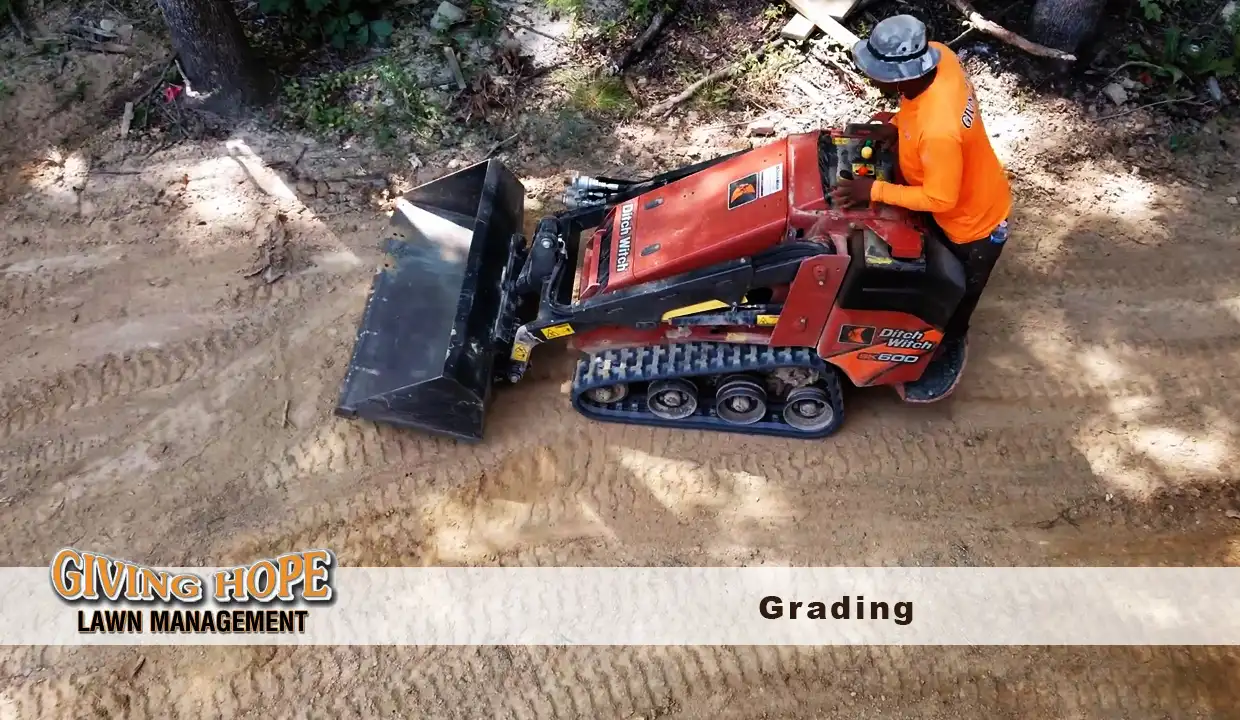
Grading
Water Pooling Near Your Foundation? How Landscape Grading Fixes Drainage in Richmond Yards
Giving Hope Lawn Management • November 2026 • Richmond, VA • 7 min read
Short Answer: If water pools near your foundation, collects in low spots, or runs toward the house during heavy rain, the yard's grade is often the problem. Landscape grading reshapes the soil so water flows away from the house and toward a safe outlet, protecting foundations, basements, and crawl spaces and reducing soggy areas in the lawn. In the Richmond area, heavy clay soils, settling around newer homes, and intense storms make drainage problems common. A good grading project starts with a site assessment, sets a positive slope away from the foundation, and is finished with topsoil and new grass or erosion control.
If you are reading this, you may have watched water collect against your foundation during a heavy rain, or noticed a soggy spot in the yard that never seems to dry out. Maybe your crawl space feels damp, or the downspouts empty into a puddle that sits for days.
Those are some of the most common drainage complaints we hear from homeowners in Richmond, Glen Allen, Mechanicsville, and the surrounding area. In many cases, the solution starts with the shape of the ground itself.
What Landscape Grading Is
Grading is the process of reshaping the soil surface to control how water moves across a property. The goal is to direct rainwater away from the house and other structures and toward a safe outlet, like a swale, a lower part of the yard, or a drainage area, without causing erosion or sending water onto a neighbor's property.
Why Water Should Flow Away From the Foundation
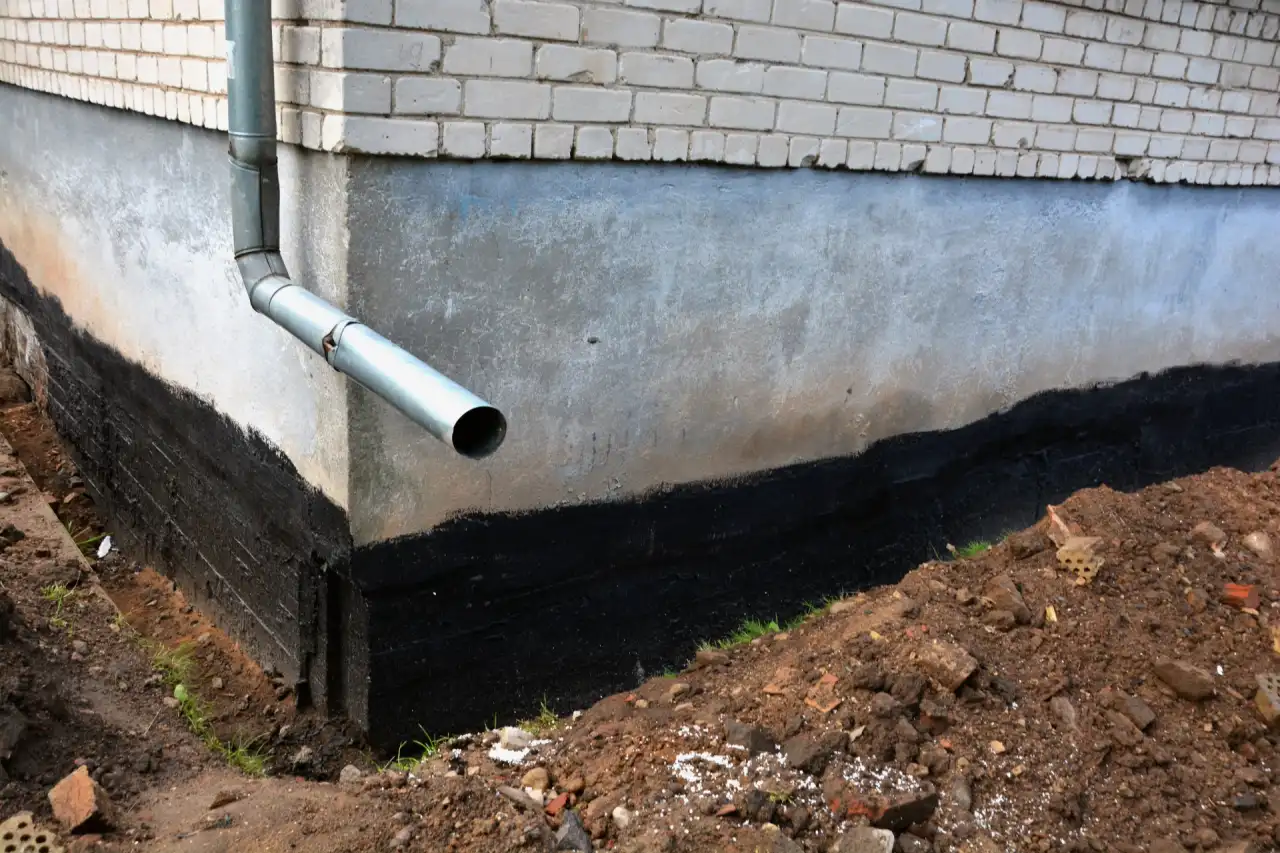
Water that collects against a foundation can seep into basements and crawl spaces, contribute to moisture, mold, and wood rot, add pressure against foundation walls, and in clay soils, cause expansion and contraction as the soil wets and dries.
A positive slope, where the ground falls away from the house, moves water away before it can cause those problems. Building codes generally call for the ground to slope away from the foundation for the first several feet, and that is a good target for most homes.
Why Richmond Yards Have Drainage Problems
Several local factors make drainage issues common in the Richmond area.
Clay soils. Much of the area west of Interstate 95 sits on Piedmont soils with heavy red clay subsoil. Clay drains slowly, so water sits on the surface and runs off rather than soaking in.
Settling around newer homes. Soil backfilled around a foundation during construction settles over time, sometimes creating a dip or reverse slope right next to the house.
Intense storms. Central Virginia gets heavy summer thunderstorms and the remnants of tropical systems, which can drop a lot of rain in a short time.
Landscaping changes. Raised beds, patios, walkways, and mulch built up over the years can change how water flows, sometimes trapping it against the house.
Signs Your Yard Needs Grading
Look for water pooling near the foundation after rain, damp or musty crawl spaces and basements, soggy areas in the lawn that stay wet for days, erosion channels or washed-out mulch, downspouts that empty into low spots, and soil that slopes toward the house rather than away from it.
How a Grading Project Works
Here is how a typical landscape grading project unfolds.
It starts with a site assessment. We look at where water is coming from, where it collects, where it needs to go, and any obstacles like trees, utilities, patios, or property lines.
Utilities are marked. Before any digging, Virginia law requires contacting VA811 so underground utilities can be located and marked.
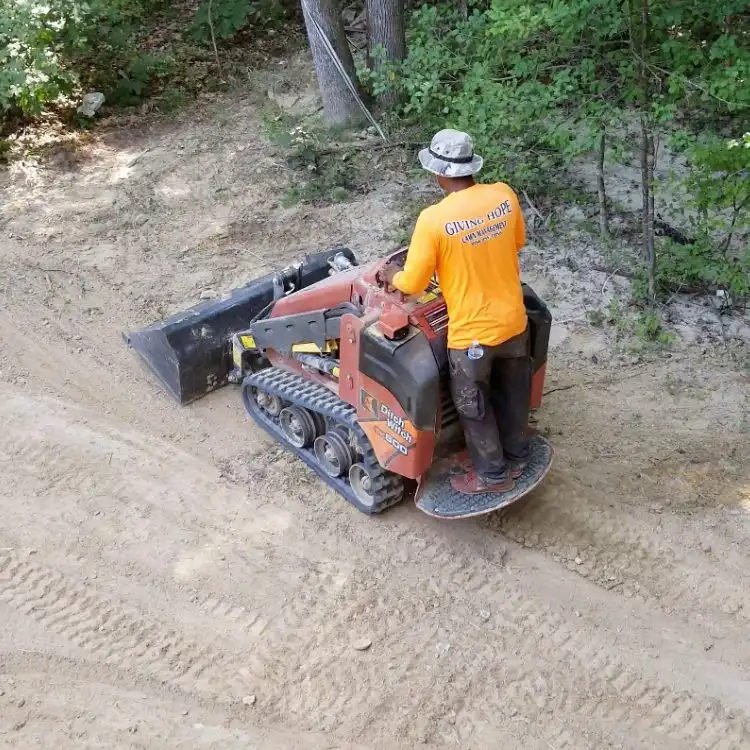
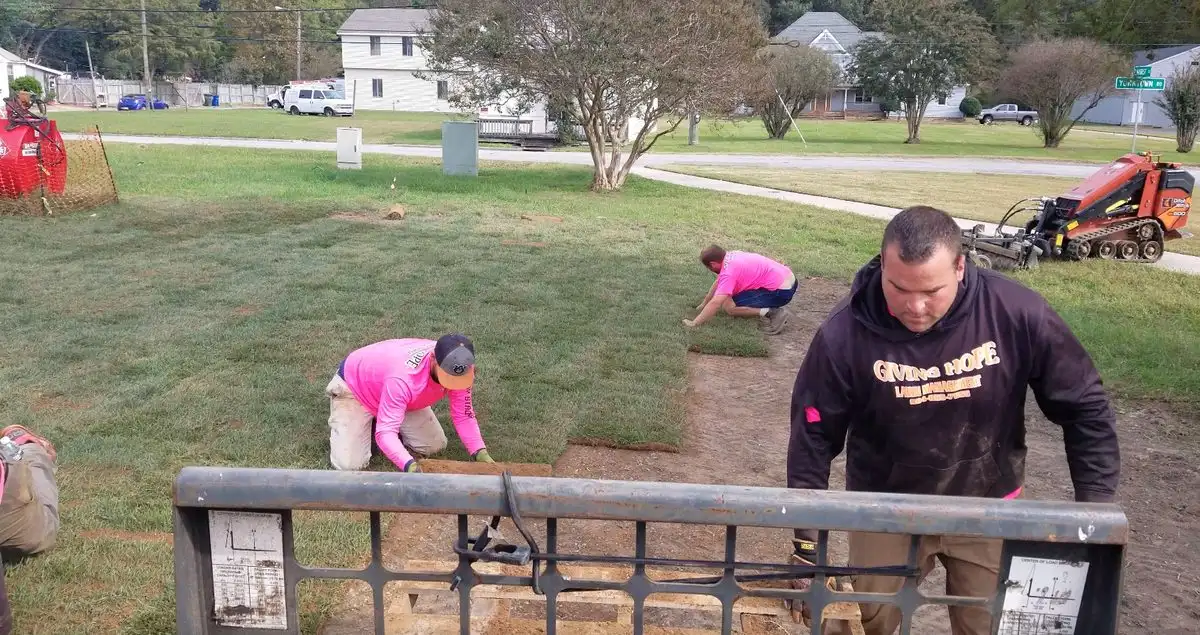
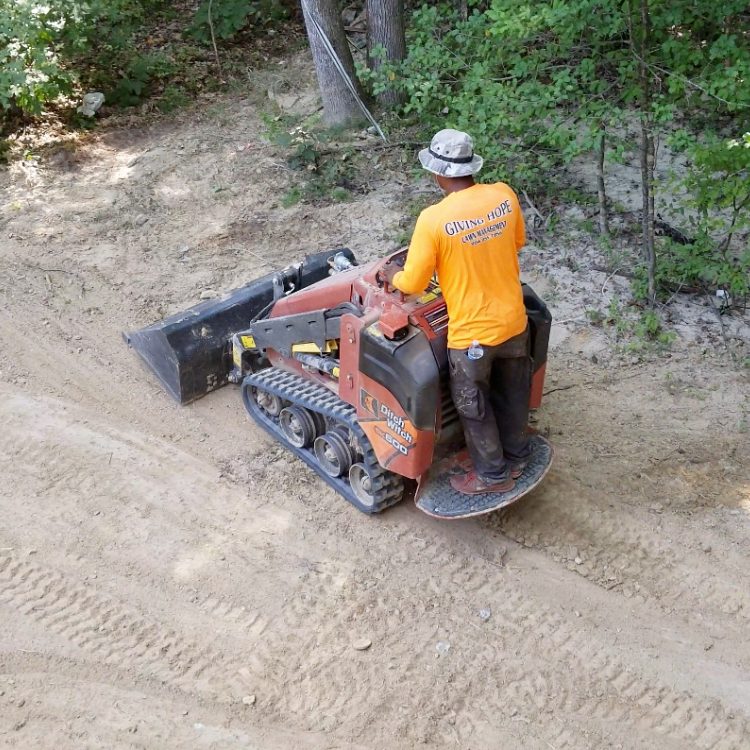
Then the soil is reshaped. Using equipment like compact track loaders, soil is moved to create a positive slope away from the house and to fill low spots or cut swales that guide water.
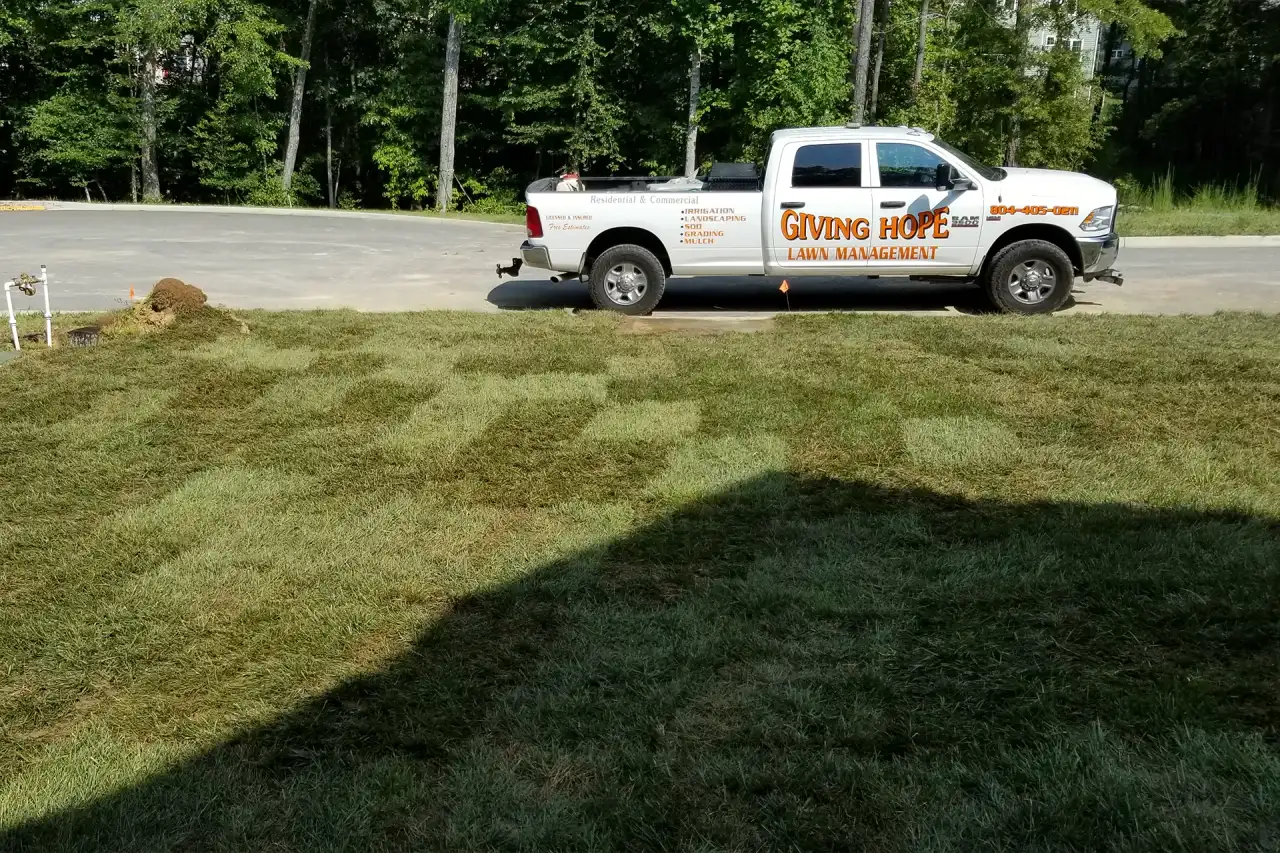
Topsoil is added. The graded area is finished with a layer of topsoil suited for growing grass.
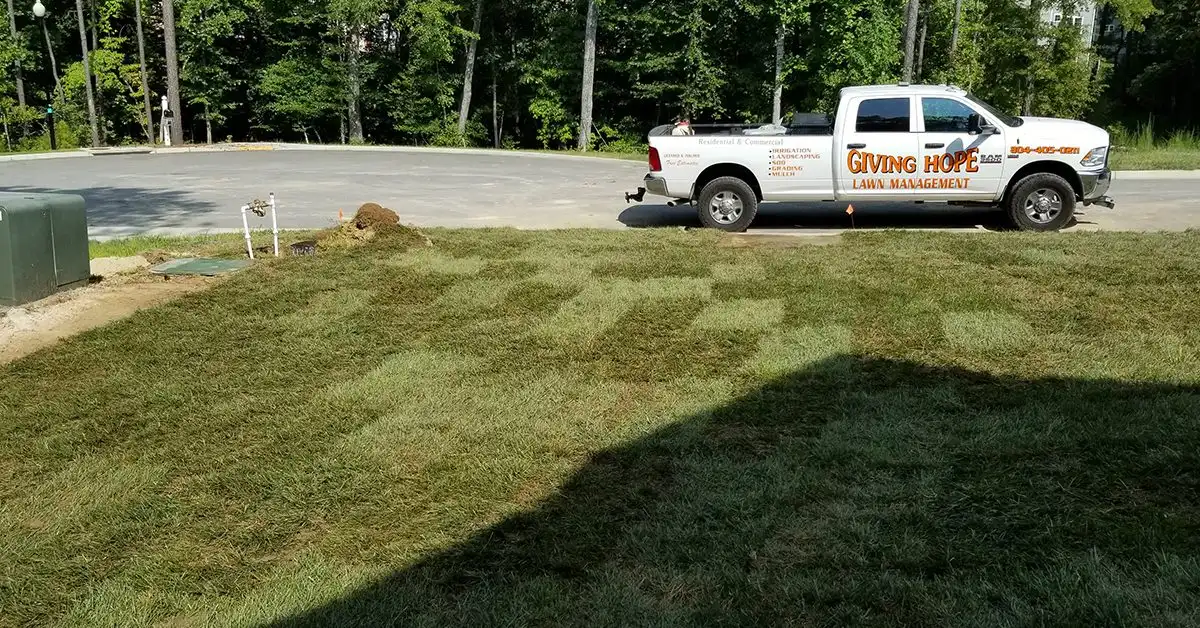
Finally, the surface is stabilized. New seed, sod, or erosion control materials protect the soil from washing away before grass establishes.
Grading and Downspouts
Grading often goes hand in hand with downspout improvements, and the two are most effective when planned together. Extending downspouts, burying downspout lines, or directing them into a swale moves roof water away from the foundation. Even a perfectly graded yard can struggle if downspouts dump water right next to the house.
Swales and Other Drainage Features
Sometimes the best solution is a shallow swale, a gentle, grass-lined channel that carries water across the yard to a safe outlet. In other cases, a French drain or other subsurface drainage may be needed. A site assessment helps decide what will work best.
What About Low Spots in the Middle of the Lawn?
Not every drainage problem is at the foundation. Low spots in the middle of the yard collect water after storms and stay soggy. Filling those areas with topsoil, gradually or all at once, and reshaping the surface so water can move on lets the lawn dry out and grow evenly.
Respecting Neighbors and Property Lines
Grading should not redirect water onto a neighbor's property. A good plan considers how water leaves your yard as carefully as how it moves away from the house, which also helps avoid disputes with neighbors down the line.
Local Permits and Rules
Larger land-disturbing projects may require local permits, and some properties in the Richmond area fall within Chesapeake Bay Preservation Areas, which have additional rules for land disturbance near streams and wetlands. Requirements vary by locality, so it is worth checking before major work.
Protecting Trees
Mature trees, common across Richmond's older neighborhoods, can be damaged by soil added or removed over their root zones. Grading plans should work around trees where possible, avoiding heavy fill or deep cuts near trunks.
Grading Around Patios and Walkways
Patios, walkways, and driveways that slope toward the house are a common source of water problems. Sometimes the fix is regrading the soil next to them. In other cases, a small drain or a change in how water leaves the hardscape is needed.
Crawl Spaces and Basements
Many Richmond-area homes have crawl spaces, and a damp crawl space is often the first sign of a grading problem. Moving surface water away from the foundation is usually the first and most cost-effective step before considering more expensive interior moisture solutions.
Lawn Health Benefits
Good drainage helps the lawn too, and it is often the reason a stubborn problem area finally improves. Tall fescue and other grasses struggle in soil that stays waterlogged, which invites disease, moss, and thin turf. Regrading low spots often turns a problem area into healthy lawn.
Mulch Beds Against the House
Mulch is great for beds, but layers added year after year can build up against the foundation, raising the soil line and trapping water. Keeping mulch a few inches below the siding and graded away from the house helps.
What a Properly Graded Yard Looks Like
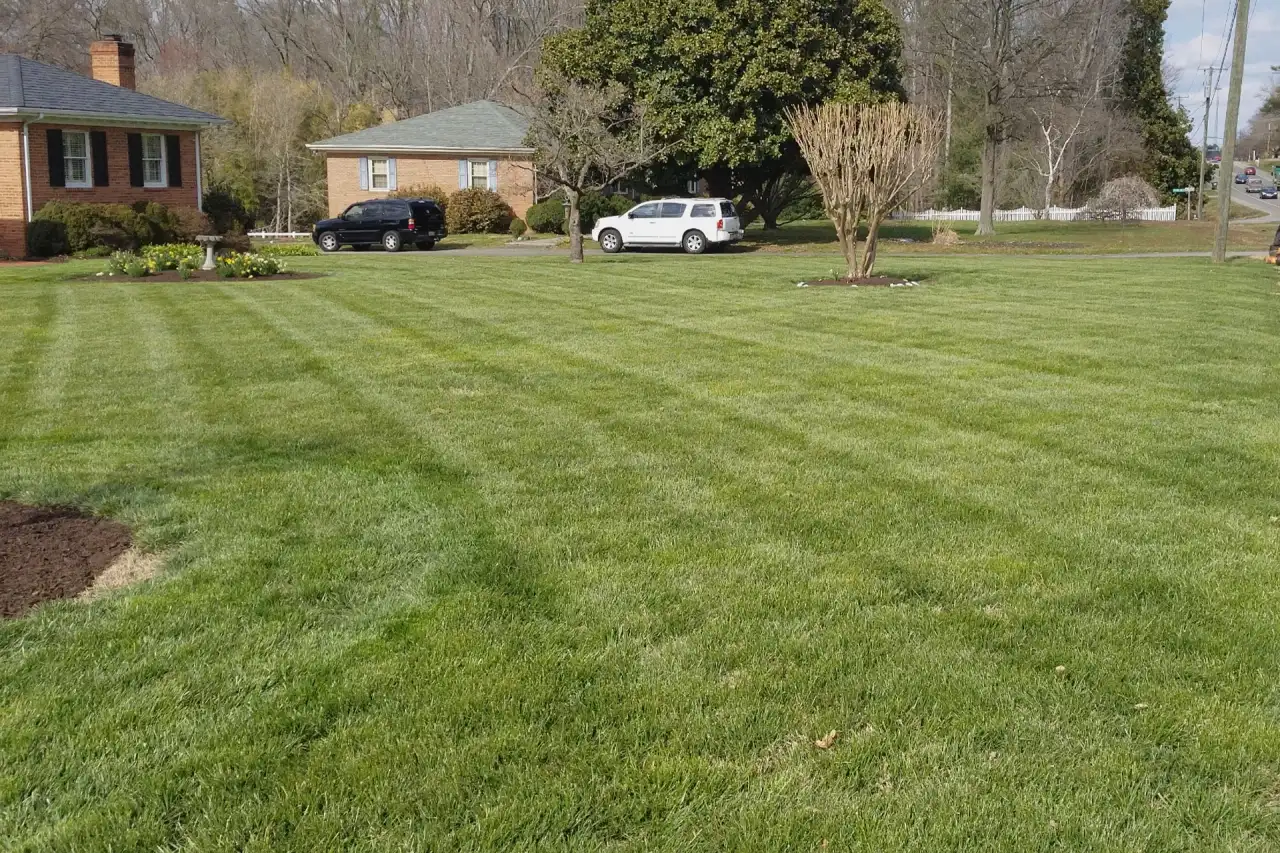
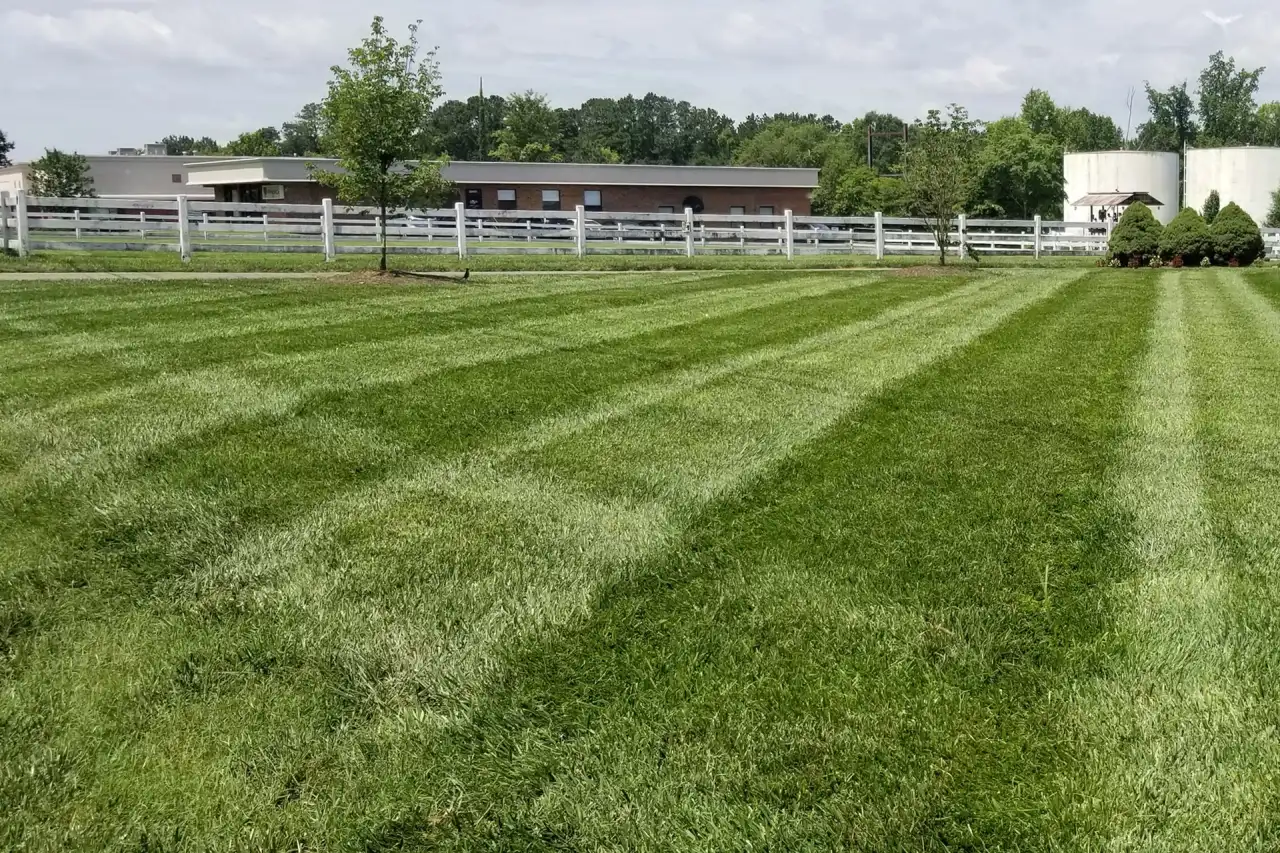
Imagine this. A summer thunderstorm rolls through. Water runs off the roof, out the extended downspouts, and across a gentle slope away from the house into a grassy swale that carries it to the back of the yard. The crawl space stays dry. The soggy spot that used to sit for days is gone. The lawn looks better than it has in years.
What to Do Next
After the next heavy rain, walk your property and note where water collects, where it runs, and whether the soil near your foundation slopes toward or away from the house. Check where your downspouts empty. If water is pooling against the foundation or sitting in the lawn for days, a grading assessment is a good next step.
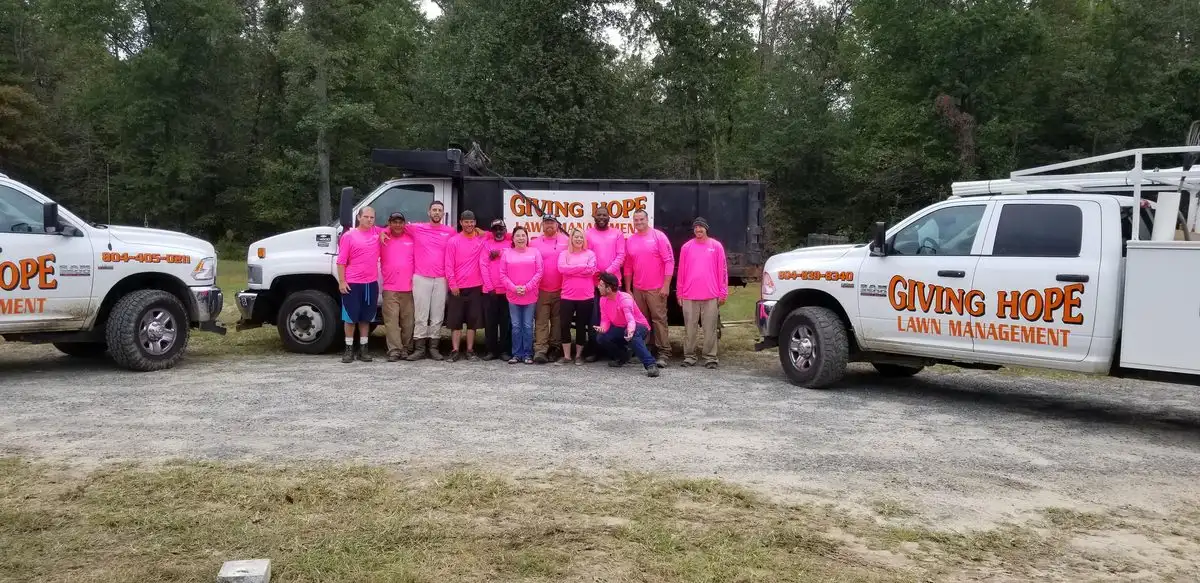
If you would rather have someone else handle the grading, we are here for that. Giving Hope Lawn Management offers landscape grading in Richmond, Glen Allen, Mechanicsville, and the surrounding area. Call 804-405-0211 or visit givinghopelawn.com to request a free quote.
Here is what to expect. We will walk the property with you, look at where water is collecting and where it needs to go, and explain what the grading work would involve before anything is moved. You will know the plan, the timing, and what the yard will look like when we are done.