Grading
Is Fall a Good Time for Landscape Grading in Richmond? What to Know Before Winter
Giving Hope Lawn Management • November 2026 • Richmond, VA • 7 min read
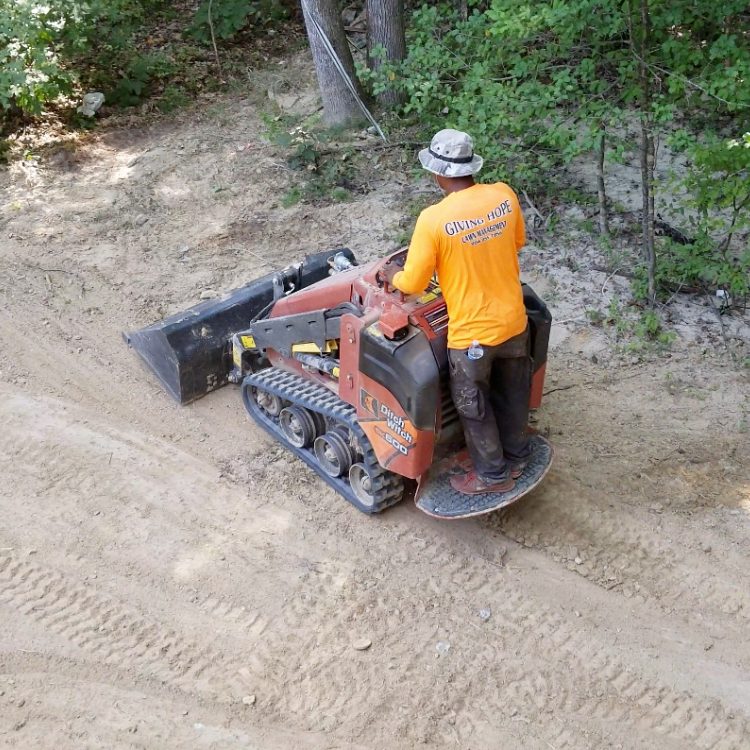
Short Answer: Fall can be a very good time for landscape grading in the Richmond area. Cooler temperatures, drier stretches, and dormant gardens make it easier to move soil and fix drainage before winter rains and spring storms. The main challenges are wet clay soil, which should not be graded when saturated, and the late timing for grass seed, since the best fescue seeding window closes by mid fall. Here is what we have found works best: grade when the soil is workable, stabilize the surface with straw, erosion control, or sod, and plan seeding for early spring or the next fall.
If you have been putting off fixing a drainage problem in your yard, you may be wondering whether it makes sense to tackle it now or wait until spring. It is a fair question. Fall in Central Virginia can be beautiful weather for outdoor work, but winter is coming, and newly graded soil needs protection.
Most homeowners we talk to in Richmond, Glen Allen, and Mechanicsville are surprised to learn that fall is often one of the better times to regrade. Here is why, along with the trade-offs to plan for.
Why Fall Works Well for Grading
Several things make fall a good season for grading projects.
Cooler weather. Moving soil and running equipment is easier on crews and on the landscape when temperatures are moderate.
Drier stretches. Fall in Central Virginia often includes stretches of dry weather, which makes clay soil easier to work and shape.
Dormant gardens. Many perennials and annuals have finished for the season, so working near beds causes less disruption.
Getting ahead of winter and spring rain. Fixing drainage before winter rains, snowmelt, and spring storms protects the foundation and lawn when it matters most.
The Challenge: Wet Clay
The biggest factor in grading timing around Richmond is soil moisture. Heavy clay soils, common across much of the area, become sticky and smeared when wet. Grading saturated clay compacts it, destroys soil structure, and leaves a surface that drains even worse.
Here is what we have found works best. Schedule grading when the soil is moist but workable, not saturated. After a heavy rain, it may take several days for clay to dry enough. Fall dry spells are ideal windows.
The Challenge: Grass Seed Timing
For tall fescue, the most common lawn grass in the Richmond area, the best seeding window is late summer into early fall, roughly late August through mid October. Seed sown in November often germinates slowly, if at all, and young seedlings may not have time to establish before winter.
That does not mean you cannot grade in November. It means planning how to protect the soil until grass can grow.
Options for Stabilizing Newly Graded Soil
Bare soil can erode during winter rains, washing topsoil away and undoing some of the grading work. A few options help.
Straw mulch. A layer of clean straw over graded soil helps hold it in place and protects it from heavy rain.
Erosion control blankets. On slopes, biodegradable erosion control blankets hold soil and seed in place more securely than loose straw.
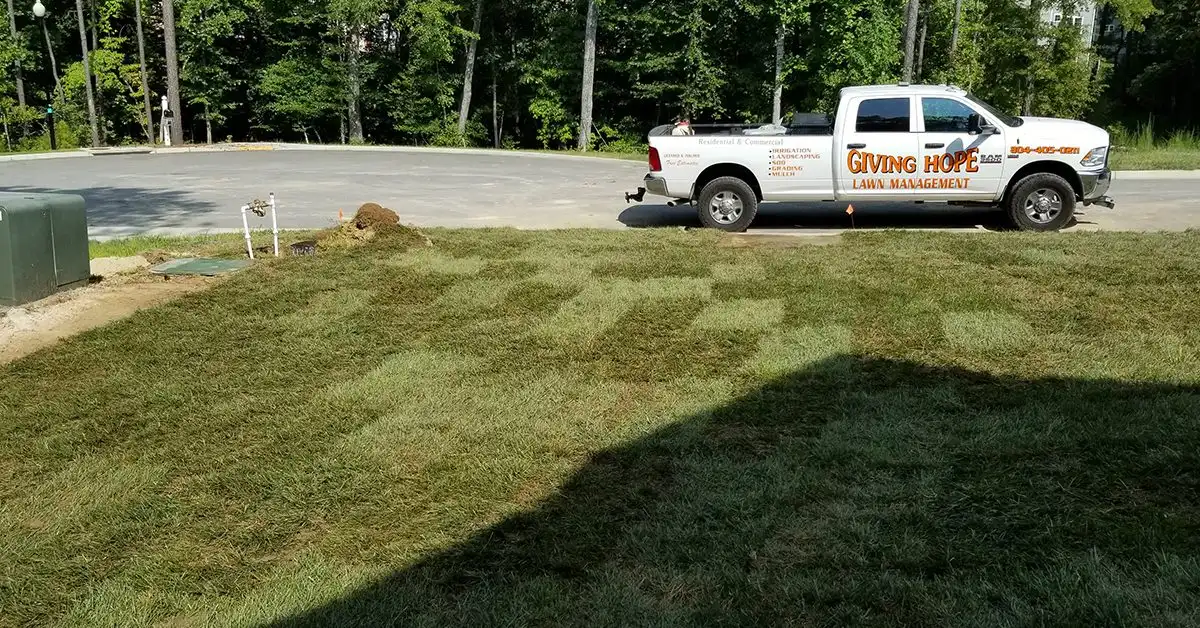
Sod. Cool-season sod can often be laid in fall and even early winter, as long as the ground is not frozen. Sod provides immediate cover and roots in over the following weeks and months.
Dormant seeding. Some homeowners spread seed late in the season so it can germinate when soil warms in spring. Results vary, and it works best combined with straw or erosion control.
Planning Seeding for Spring or Next Fall
If you grade in late fall and stabilize with straw or erosion control, the area can be seeded in early spring, typically March into April in the Richmond area, or held until the next late summer for the best fescue establishment. Spring seeding works, but young grass faces summer heat before it is fully established, and most crabgrass preventers cannot be used on newly seeded areas.
Weather Windows and Scheduling
Fall weather in Central Virginia can change quickly, with heavy rain from coastal systems or early cold snaps. Grading projects are often scheduled with some flexibility, moving dates around rain so the work happens when the soil is right. Booking early in the fall gives more room to find good weather windows.
Frozen Ground
Timing also depends on temperature. Once the ground freezes, grading becomes difficult and can create clods and voids that settle later. Richmond-area winters often have stretches where the ground is not frozen, so smaller grading projects can sometimes happen in winter, but frozen periods need to be avoided.
Utilities and Permits
Before any grading, Virginia law requires contacting VA811 to have underground utilities marked. Larger land-disturbing projects may need local permits, and properties in Chesapeake Bay Preservation Areas have additional rules. Checking requirements early prevents delays.
Combining Grading With Other Fall Work
Fall is also when many homeowners winterize their sprinkler systems. If grading will affect irrigation lines or heads, coordinating the two makes sense. Heads may need to be raised, lowered, or relocated to match the new grade, and that work is easier before the system is shut down for winter.
Soil Quality Matters
The topsoil used to finish a graded area makes a big difference in how well new grass establishes. Good topsoil with organic matter, spread over the reshaped clay, gives fescue roots a better start and helps water soak in rather than running off.
Downspouts and Gutters
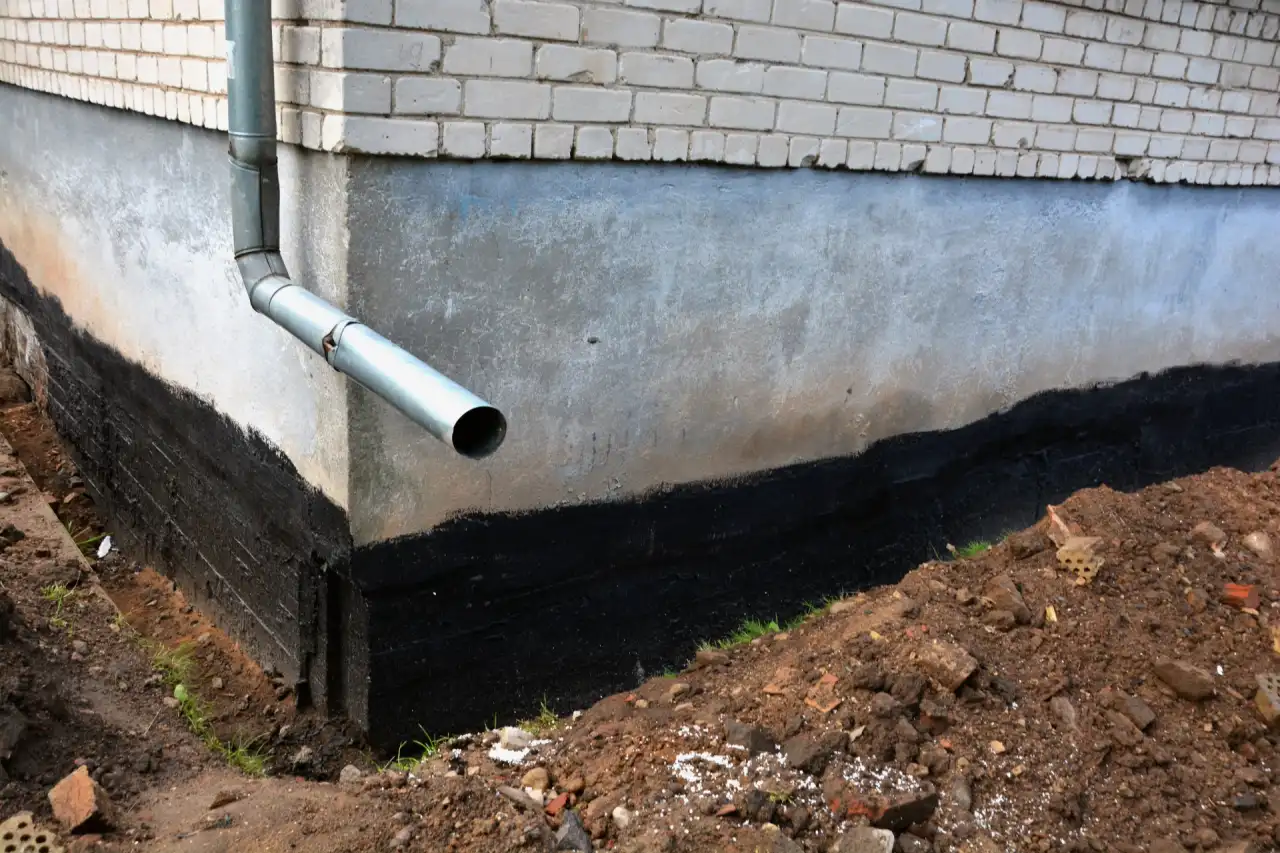
Fall leaf season is a good time to clean gutters and check downspouts. Pairing gutter cleaning with downspout extensions and grading gives a more complete drainage fix.
Why Not Just Wait for Spring?
Spring is a popular time for grading, but it comes with its own challenges. Spring rains can keep clay soils too wet to work for weeks, and schedules fill quickly once the weather warms. Fixing a drainage problem in fall also means the house and lawn are protected through winter and early spring storms, instead of waiting through another wet season.
Leaves and Debris
Fall leaves can complicate grading by hiding the soil surface and blowing onto freshly graded areas. Clearing leaves before work begins, and keeping straw-covered areas clear afterward, helps the soil settle evenly.
Equipment and Access
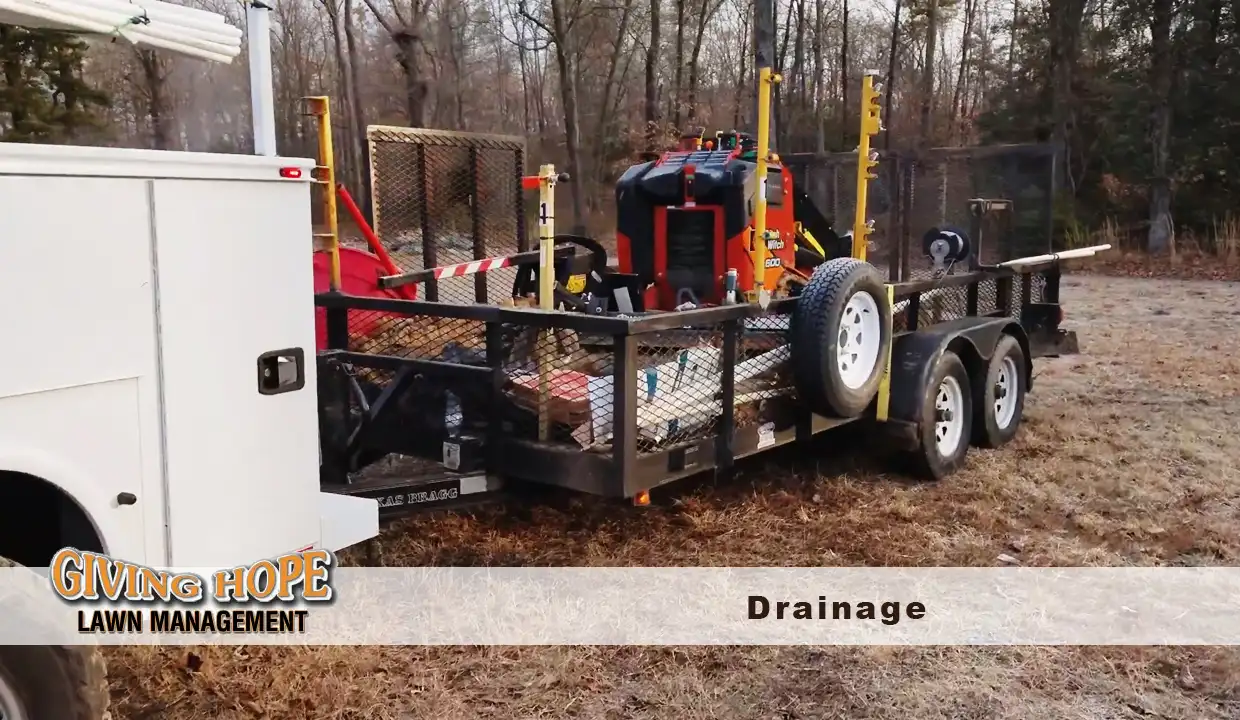
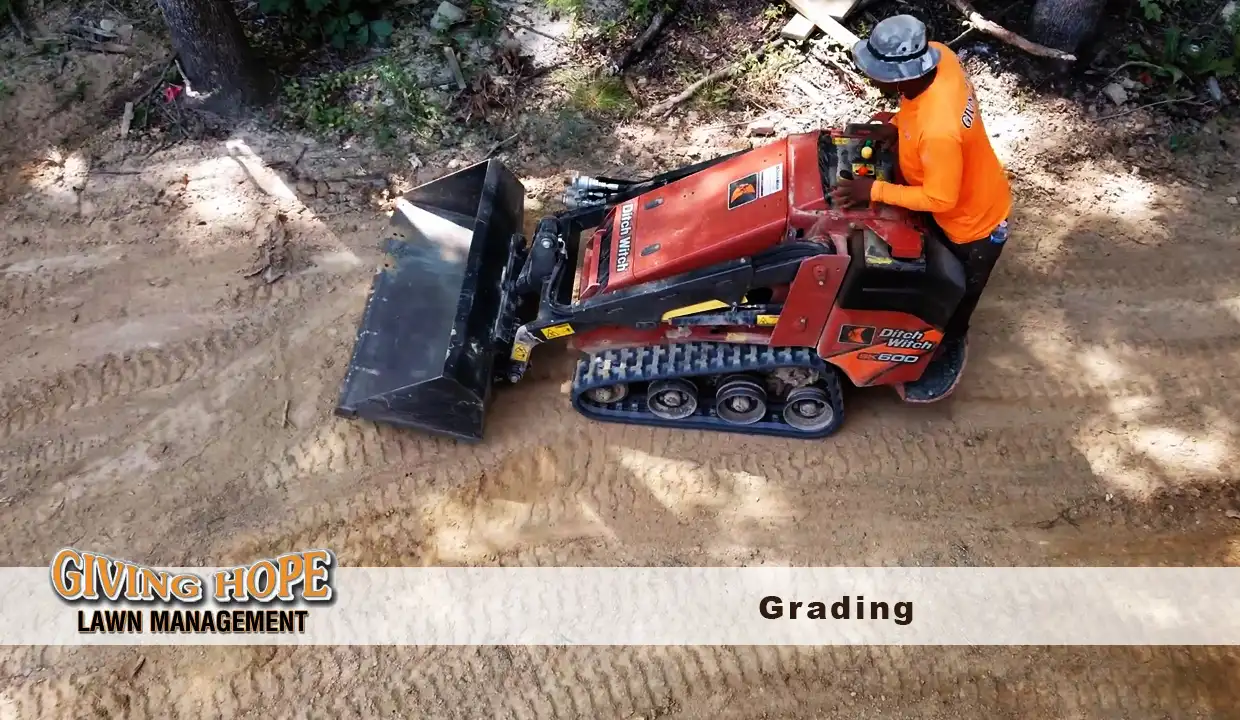
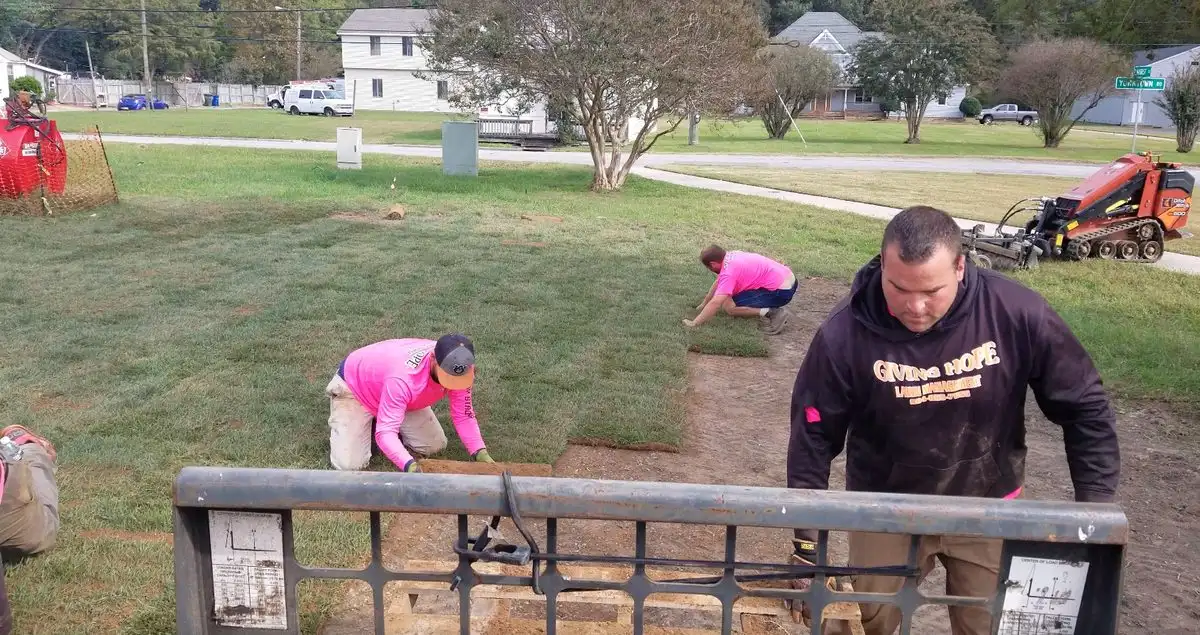
Grading often involves compact equipment like track loaders, which are designed to work in tight residential spaces with less ground pressure than larger machines. Planning access through gates and around trees, beds, and hardscape keeps damage to the rest of the yard to a minimum.
What to Expect After Fall Grading
After grading and stabilization, the area may look a bit rough through winter, especially if covered with straw. Some settling is normal in the first few months, especially in filled areas, and minor touch-ups may be needed in spring before seeding.
What a Fall Grading Project Looks Like by Next Summer
Imagine this. You regraded the side yard in November, covered it with straw, and seeded in early spring. Through winter, rain flowed away from the house instead of pooling against the foundation. By June, the new fescue has filled in, the crawl space has stayed dry, and the soggy spot that used to bother you is just part of a healthy lawn.
What to Do Next
If you are planning a grading project this fall, watch for a dry stretch when the soil is workable, contact VA811 before any digging, and plan how you will protect bare soil through winter with straw, erosion control blankets, or sod. Schedule seeding for early spring or next late summer, and coordinate any irrigation changes before the system is winterized.
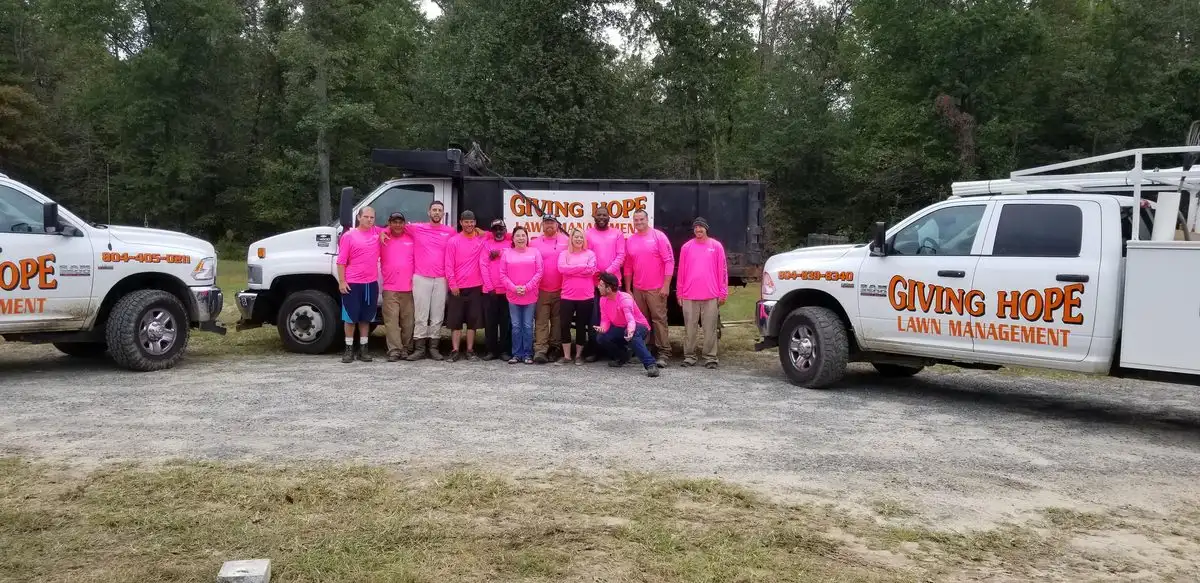
If you would rather have someone else handle the grading, we are here for that. Giving Hope Lawn Management offers landscape grading in Richmond, Glen Allen, Mechanicsville, and the surrounding area. Call 804-405-0211 or visit givinghopelawn.com to request a free quote.
Here is what to expect. We will walk the property with you, look at where water is collecting and where it needs to go, and explain what the grading work would involve before anything is moved. You will know the plan, the timing, and what the yard will look like when we are done.