Landscape Maintenance
Fall Landscape Maintenance: Getting Your Richmond Yard Ready for Winter
Giving Hope Lawn Management • September 2026 • Glen Allen / Richmond, VA • 7 min read

Short Answer: Fall landscape maintenance is about setting your Richmond-area yard up to come through winter healthy and start spring strong. The core tasks are clearing leaves before they mat down and smother the lawn and beds, cutting back spent perennials and cleaning out beds, refreshing mulch to protect roots through the cold, handling dormant-season pruning where appropriate, and taking advantage of fall as the best planting window of the year. Done together, this work protects the plants and lawn you already have, prevents disease and pest problems over winter, and means far less cleanup and catch-up when spring arrives.
When the weather cools around Richmond, it is tempting to think of the yard as finished for the year, something to ignore until spring. In reality, fall is one of the most valuable seasons for landscape work, because what you do now decides how your yard comes through winter and how much ground you have to make up in spring. A little attention in the fall saves a lot of trouble later.
Across the Glen Allen, Mechanicsville, and Richmond properties we maintain, the fall to-do list is fairly consistent, and each task earns its place. Here is what fall landscape maintenance really involves and why each piece matters.
Clearing Leaves Before They Do Harm
Leaves are the signature fall chore, and there is a real reason they matter beyond appearance. A thick layer of fallen leaves left on the lawn blocks sunlight and traps moisture against the grass, which can smother it and invite disease and pests over the winter. What greets you in spring under a matted leaf pile is often a thinned, weakened, or dead patch of lawn that has to be rebuilt.
Staying ahead of the leaves through the fall, rather than letting them pile up and mat down, keeps the lawn breathing and healthy right up until dormancy. The same goes for beds, where a heavy leaf layer can smother groundcovers and harbor problems. Regular fall cleanup is not just about a tidy look, it is about protecting the lawn and plants underneath so they wake up healthy rather than damaged.
Cutting Back and Cleaning Out the Beds
As perennials finish for the season and annuals fade, the beds need attention. Cutting back spent perennials, removing dead annuals, and clearing out the debris that collects over the growing season does two things. It keeps the landscape looking cared for through the winter, and it removes the dead material where diseases and insects would otherwise overwinter, waiting to return in spring.
Bed cleanup is one of those tasks that pays off invisibly. By clearing away the spent growth and debris in the fall, you reduce the disease and pest pressure your plants face next year, and you give the beds a clean, defined look through the bare months. It also makes the spring far easier, since you are not starting the season by digging out a winter's worth of collapsed, soggy plant material.
Refreshing Mulch to Protect Through Winter
Mulch is not just a summer look. A fresh layer of mulch going into winter insulates plant roots against the cold and the freeze-and-thaw swings that our Richmond winters bring, which can heave plants right out of the ground. It also helps the soil hold moisture and steady its temperature, protecting the root systems that everything depends on.
Refreshing mulch in the fall, at the right depth and kept back from the base of trunks and stems, gives your beds and plantings a layer of protection right when they need it most. It carries a practical bonus too, breaking down over winter to feed the soil and giving the whole landscape a clean, finished appearance through the season when little else is growing. It is a small step with an outsized effect on how your plants survive the winter.
Dormant-Season Pruning
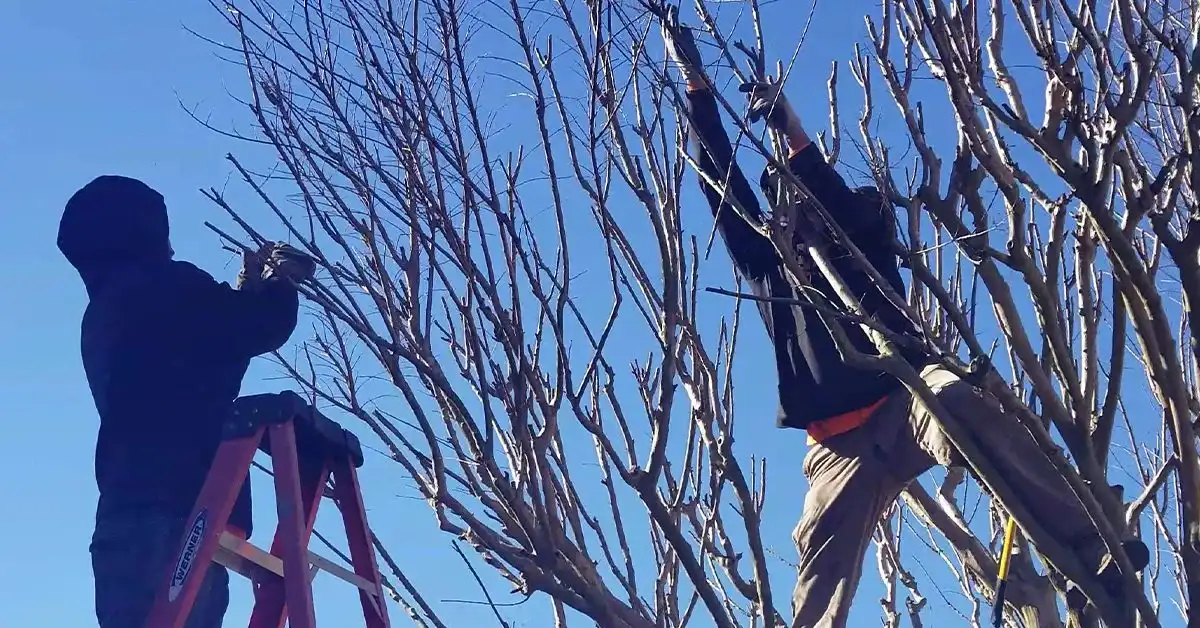
Fall and the dormant season that follows are the right time to prune many trees and shrubs, and it is a job worth doing thoughtfully rather than randomly. As deciduous trees and shrubs drop their leaves and go dormant, their structure becomes visible and the plant is not actively growing, which makes it the ideal window to shape them, remove dead or crossing limbs, and correct problems. We will cover the why and how of dormant pruning in more depth separately, because it deserves its own attention.
The one important caution is timing by plant type. Spring-flowering shrubs set their buds the previous year, so pruning them in fall or winter removes the very blooms you are waiting for. Knowing which plants to prune now and which to leave until after they flower is exactly the kind of judgment that protects your landscape rather than accidentally cutting off next year's show. When in doubt, that is a good thing to ask about before the shears come out.
Fall Is the Best Time to Plant
One of the least-known truths about fall is that it is the best planting season of the year for most trees and shrubs. Planting in fall lets the roots establish in soil that is still warm while the cooler air keeps the top of the plant from being stressed, so the plant spends the season building roots rather than fighting heat. By the time next summer arrives, a fall planting is far better established and more resilient than the same plant put in during spring.
That makes fall the smart time to add the tree, fill in the bed, or make the change to the landscape you have been considering. Rather than waiting for spring, when everyone plants and the plants then face summer heat with young roots, getting it in the ground now gives it a full season of quiet establishment. It is one more reason fall is a season for doing, not just tidying up.
Why Fall Work Pays Off in Spring
The through-line in all of this is that fall landscape work is really spring insurance. Almost everything you do in the yard now shows up months later, when the weather warms. Leaves cleared before they smothered the lawn mean a lawn that greens up full instead of thin and patchy. Beds cleaned of spent growth and debris mean fewer diseases and pests waiting to return. Mulch refreshed before the cold means roots that came through winter protected rather than heaved out of the ground. Pruning done in dormancy means trees and shrubs that leaf out strong and well-shaped.
Skip the fall work and spring becomes a scramble. You spend the first warm weeks digging out matted leaves, rebuilding damaged lawn, clearing collapsed plant material, and catching up on everything that piled up over winter, all while the growing season is racing ahead of you. The yards that look effortless in April are almost always the ones that got attention the previous fall. It is far easier, and far less work overall, to set the landscape up well going into winter than to rescue it coming out.
That is how we think about maintaining a property through the year. Each season sets up the next, and fall is the quiet, high-value season that decides how much work spring will be. A little steady attention now is what lets the landscape look cared for year-round rather than lurching from neglect to catch-up and back again. It is the same reason a maintained home is easier to keep up than one that has been let go: staying ahead is always less work than falling behind and clawing back.
What to Do Next
If your yard tends to get away from you in the fall, this is the season to stay ahead of it, because the work you do now protects everything you have invested in the landscape. Start with the leaves before they mat down, and think about the beds, the mulch, and any pruning or planting you have been meaning to get to.
Giving Hope Lawn Management serves Glen Allen, Mechanicsville, and the greater Richmond area. If you would rather have someone assess the property and handle it for you, we are here for that. Call us at 804-405-0211 or visit givinghopelawn.com, and we will take a look at what your yard is doing and walk you through the options.