Sod Installation
How Professional Sod Installation Works, Step by Step
Giving Hope Lawn Management • September 2026 • Glen Allen / Richmond, VA • 7 min read
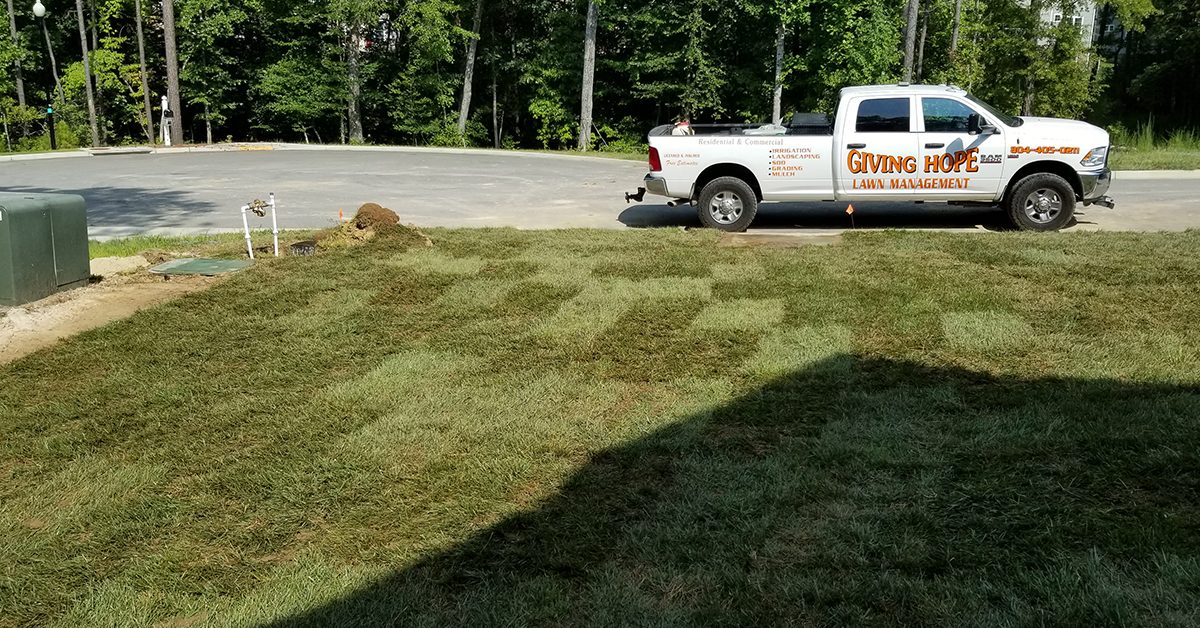
Short Answer: A professional sod installation is much more than rolling out grass. It starts with clearing and prepping the site, then grading the soil for proper drainage and a smooth surface, and often adding soil amendments so the sod has a healthy base to root into. The fresh sod is then laid tightly with staggered seams, rolled or tamped for good soil contact, and watered in thoroughly. The first couple of weeks of consistent watering are critical while the sod roots down. Done right, this process turns bare dirt into an established, lasting lawn, and getting the prep, grading, and watering correct is exactly what separates sod that thrives from sod that struggles.
From the street, sod installation can look simple: a crew rolls out grass, and suddenly there is a lawn. But the visible part, laying the sod, is really the last step of a process that determines whether that new lawn thrives or struggles. The work underneath the grass is what makes it last.
At Giving Hope Lawn Management, we install sod across Richmond, Glen Allen, Mechanicsville, and the surrounding area, and we want homeowners to understand what a proper installation actually involves. Here is how professional sod installation works, step by step.
Step One: Site Clearing and Prep
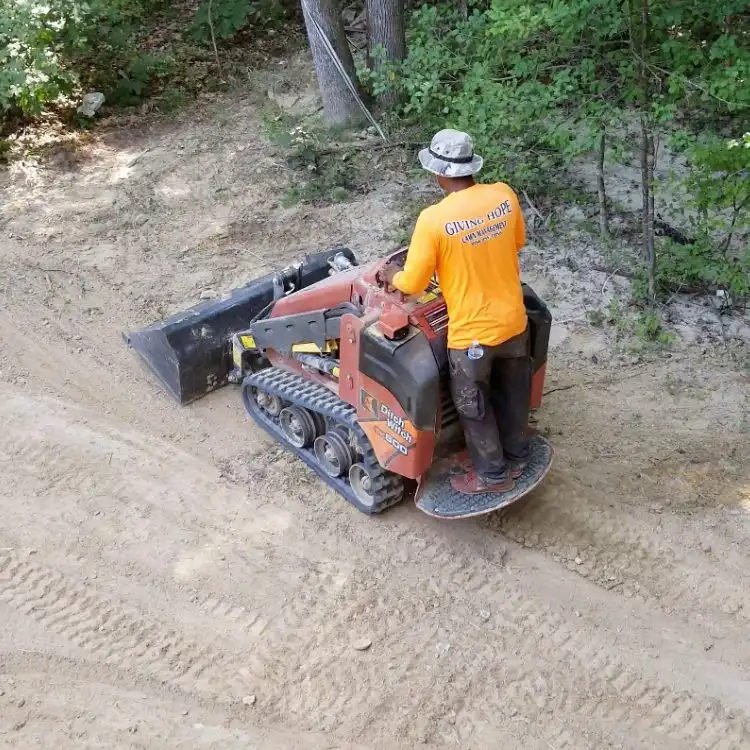
Everything starts with preparing the site. Before any sod goes down, the area has to be cleared of the old lawn, weeds, rocks, debris, and anything else that would get in the way of healthy new grass. Laying fresh sod over an unprepared surface, on top of old grass or weeds, is a recipe for failure, because the sod cannot root properly into that.
Proper clearing gives the new sod clean, workable soil to bond with. Depending on the yard, this can mean removing an existing failed lawn, clearing weeds, and hauling away debris. It is not glamorous work, but skipping or rushing it is one of the most common reasons a sod job disappoints, so we treat it as the foundation of everything that follows.
Step Two: Grading for Drainage
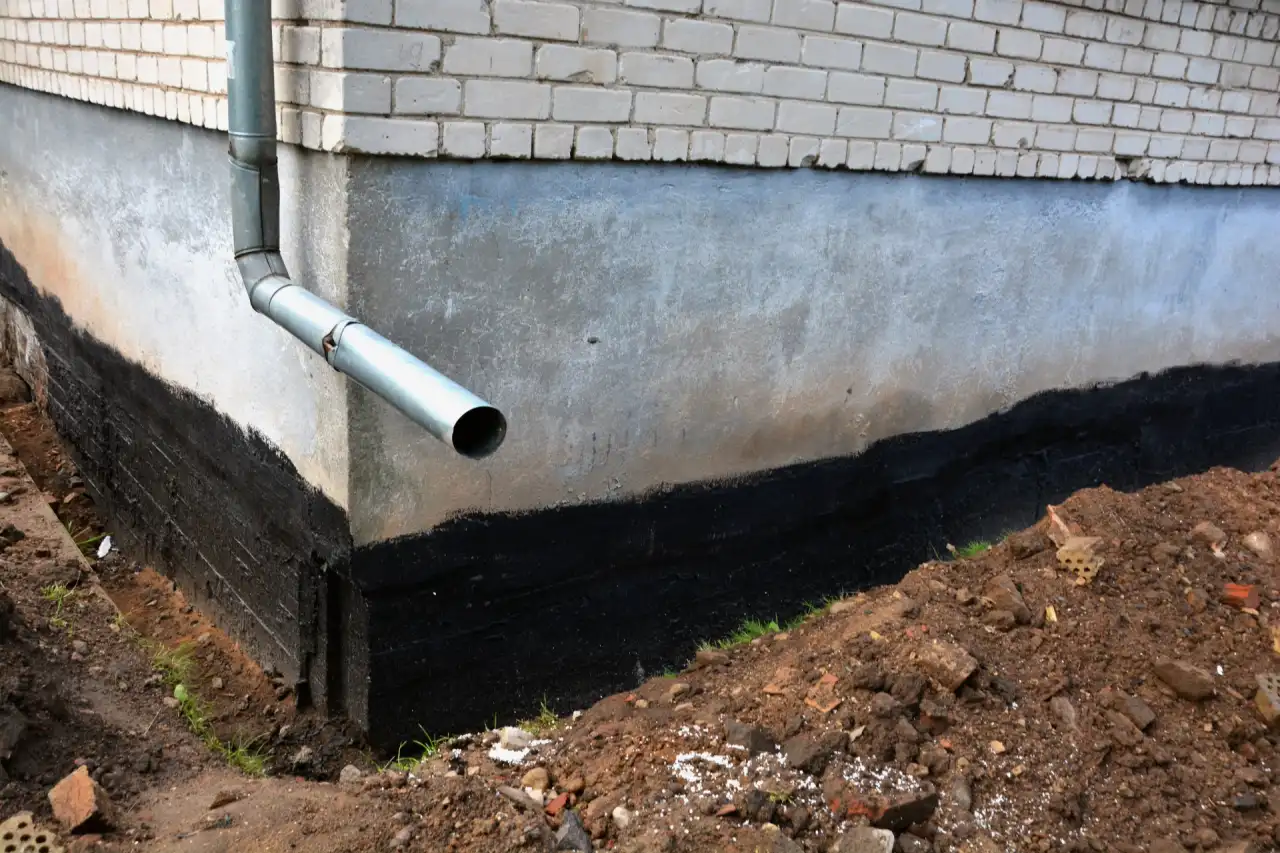
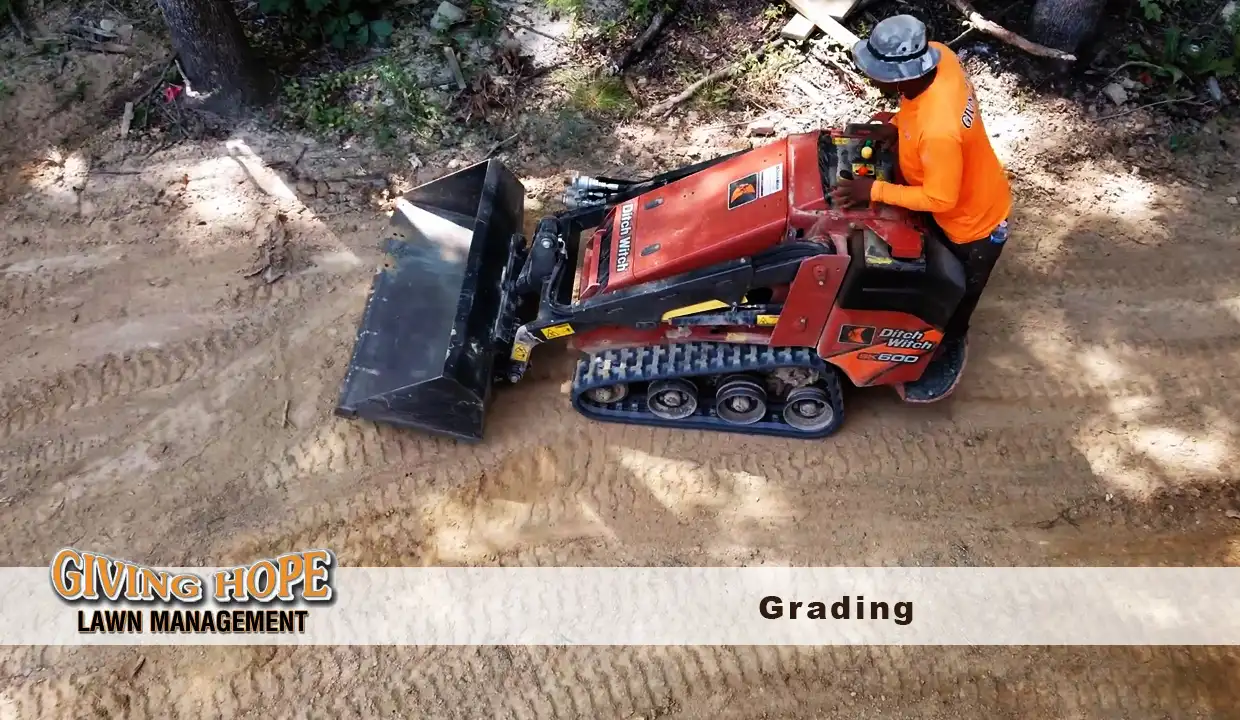
Once the site is cleared, the soil is graded, and this step is easy to underestimate. Grading shapes the soil so that it drains correctly, directing water away from your home's foundation and eliminating low spots where water would pool. Good grading protects both your new lawn and your house, and it creates the smooth, even surface that makes a finished lawn look and feel right.
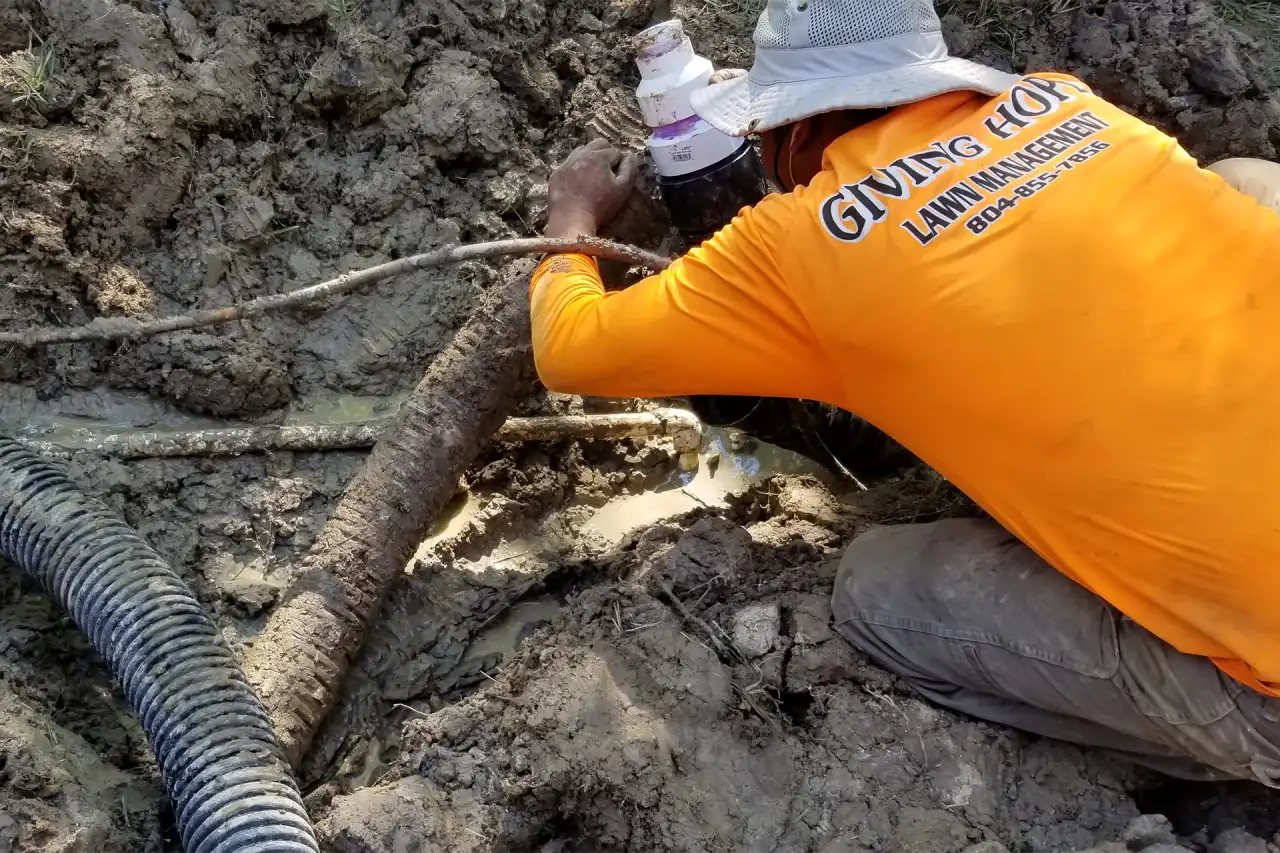
In our area, where heavy rain is part of life, drainage matters a great deal. A lawn that sits in standing water after every storm will struggle no matter how good the sod is, and poor grading near the house can lead to bigger problems than a bad lawn. Because we also handle grading and drainage work, we can make sure the grade is right before the sod ever goes down, which sets the whole lawn up to thrive.
Step Three: Soil Preparation
With the grade established, the soil itself is prepared to give the sod a healthy base. This can include loosening compacted ground so roots can penetrate, and adding soil amendments or quality topsoil where needed to improve the growing conditions. Sod roots into the soil beneath it, so the healthier and better-prepared that soil is, the faster and stronger the sod establishes.
Central Virginia soils vary, and some yards benefit from more soil work than others, especially our heavier clay soils that can compact and drain poorly. Taking the time to prepare a good root zone is part of what separates a lawn that roots in quickly and thrives from one that sits on poor ground and struggles. It is another one of those underneath-the-surface steps that pays off in a lasting lawn.
Step Four: Laying the Sod
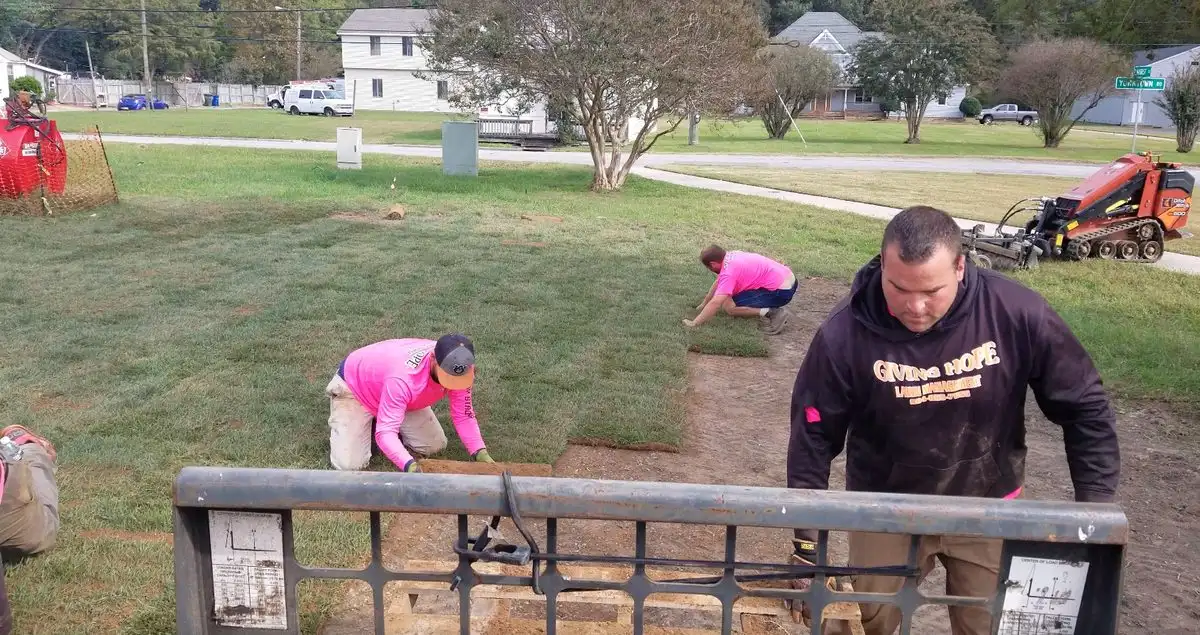
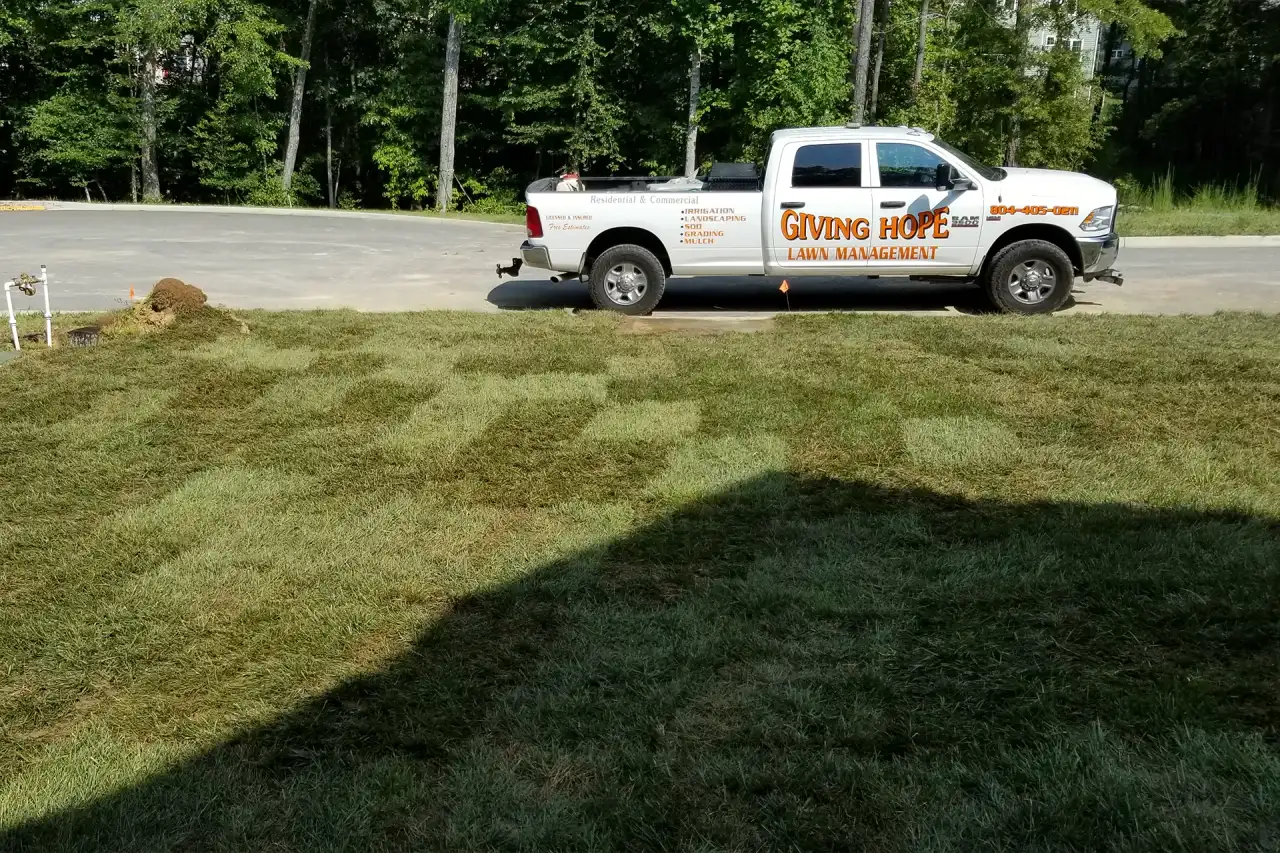
Now the part everyone pictures. The fresh sod, cut and delivered from the farm, is laid across the prepared soil. Good installation is not just rolling it out, it is laying the pieces tightly together with the seams staggered, like brickwork, so there are no gaps and the lawn knits together into a seamless surface as it establishes.
Sod is also perishable, so timing matters. It is best installed soon after it is harvested and delivered, while it is fresh, which is part of why professional installation is coordinated so the sod goes down promptly rather than sitting on pallets drying out. Laid tightly, promptly, and evenly, the sod is set up to root in cleanly and look like one continuous lawn rather than a patchwork.
Step Five: Rolling and Watering In
After the sod is laid, it is rolled or tamped down to press the roots into firm contact with the soil beneath. That solid contact is essential, because sod roots into the soil it is pressed against, and any air gaps underneath slow rooting and can dry the sod out. This step ensures the whole lawn is in good contact with its new home.
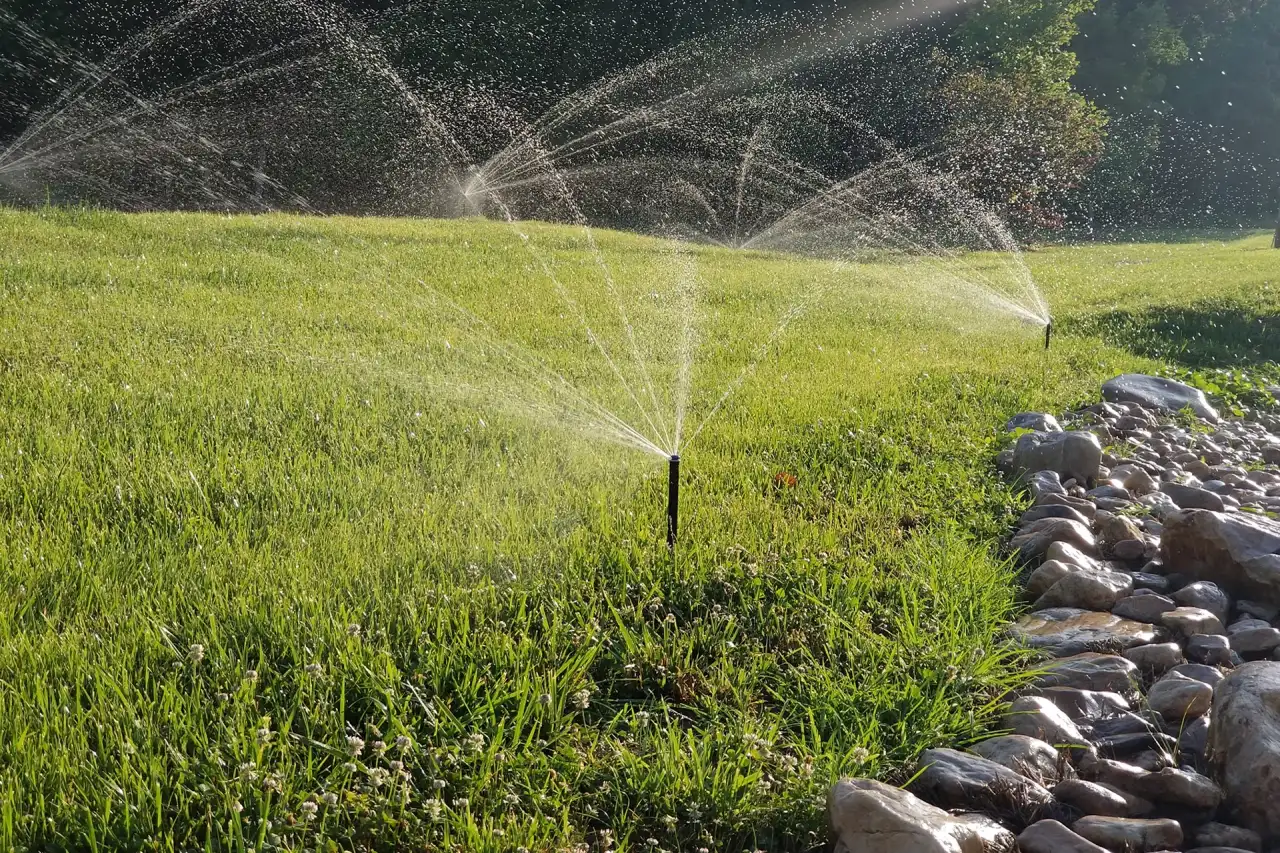
Then comes the first watering, which is thorough and immediate. The new sod is watered in deeply right after installation to settle it and start the rooting process. This initial soaking is critical, because fresh sod cannot go without water, and getting that first watering right sets the tone for successful establishment over the following weeks.
Step Six: The Critical Establishment Period
The installation does not truly end when the crew leaves, because the first couple of weeks are when the sod roots down and becomes a real lawn, and watering during that window is critical. New sod needs consistent, frequent watering to keep it and the soil beneath it moist while the roots grow in. Let it dry out during this period, and even a perfect installation can fail.
This is where the homeowner partners with us. We install the sod and set it up for success, and following the watering guidance closely in those first weeks is what carries it across the finish line. As the sod roots in, you gradually shift to deeper, less frequent watering, and before long you have a fully established, lasting lawn where bare dirt used to be.
Why Professional Installation Matters
Every one of these steps is a place where a job can go right or wrong, which is the case for professional sod installation. The prep, grading, soil work, tight laying, and proper watering all have to come together, and getting any of them wrong undermines the whole lawn. It is a lot more involved than it looks from the curb.
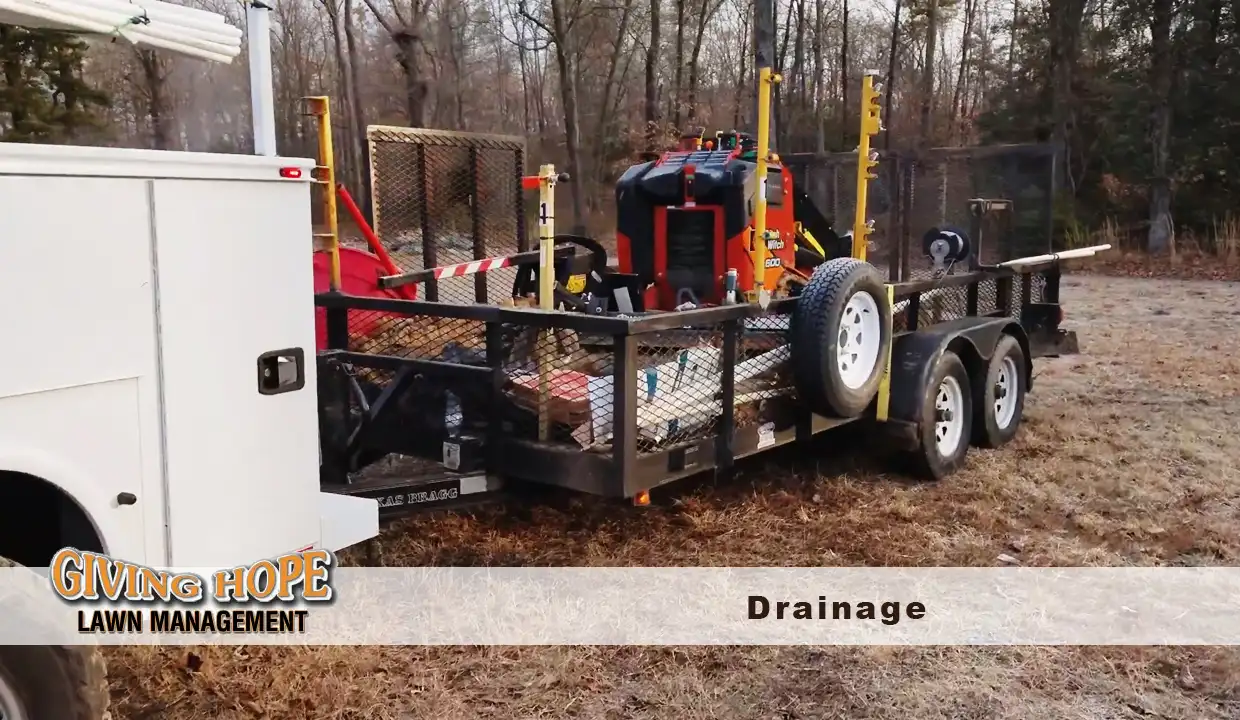
That is what we bring to homeowners across Central Virginia: the equipment, the know-how, and the attention to each step that turns fresh sod into a lawn that lasts. Rather than gambling a significant investment on a rushed or do-it-yourself job, professional installation makes sure the new lawn you are paying for actually establishes and thrives.
Caring for New Sod After Installation
What you do in the first few weeks after installation shapes how well your new sod takes, and it comes down to a few simple things. Watering is the big one: keep the sod and the soil beneath it consistently moist while the roots grow down, which usually means frequent watering at first, then tapering to deeper, less frequent watering as it establishes. Following the watering guidance closely is the single most important thing you can do.
Beyond water, give the new sod time before you put it to work. Hold off on heavy foot traffic until it has rooted in, and wait to mow until it has reached the right height and is firmly anchored, then mow gently with a sharp blade. Treating the young lawn a little carefully in its first weeks lets it establish into a strong, permanent lawn rather than getting set back right after it goes down.
What to Do Next
If you are considering new sod, know that the result depends on far more than the grass itself: the clearing, grading, soil prep, tight laying, and careful watering are what make it last. Done right, sod turns bare dirt into an established lawn that thrives. The best next step is to have your yard assessed so the whole process is set up for success.
At Giving Hope Lawn Management, we install sod and full lawns for homeowners across Glen Allen, Mechanicsville, Richmond, and the surrounding Central Virginia communities. If you are ready to skip the wait and have a healthy, established lawn installed the right way, we are here for that. Call us at 804-405-0211 or visit givinghopelawn.com, and we will walk your property, recommend the right grass, and give you a quote.