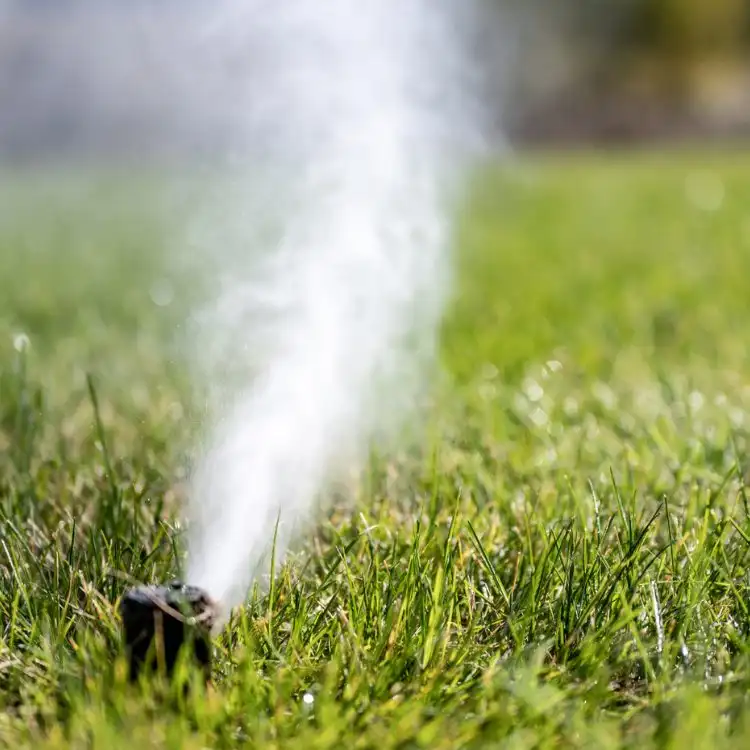
Sprinkler Systems
Why Richmond Sprinkler Systems Need Winterizing Before the First Hard Freeze
Giving Hope Lawn Management • November 2026 • Richmond, VA • 7 min read
Short Answer: Richmond-area winters regularly bring hard freezes from late fall through February. Any water left in sprinkler pipes, valves, heads, or the backflow preventer can freeze, expand, and crack components, leading to leaks, flooding, and costly repairs in spring. The backflow device, which usually sits above ground near the house, is the most vulnerable part. Here is what we have found works best: winterize the system in late October or November, once you no longer need to water and before the first hard freeze is in the forecast.
If you have an in-ground sprinkler system, you probably think about it most in July, when the lawn needs water every few days. By November, it is easy to forget the system is there. But how you leave it going into winter can make the difference between a system that starts right up in spring and one that floods the yard with a cracked pipe.
Most homeowners we talk to in Richmond, Glen Allen, Mechanicsville, and the surrounding area know they should winterize their sprinklers, but they are not always sure why it matters so much or when to do it. Here is what you need to know.
What Happens When Water Freezes in Your System
Water expands when it freezes. Inside a sprinkler system, that expansion puts pressure on pipes, fittings, valves, sprinkler heads, and the backflow preventer. If there is enough water trapped in a section of the system when temperatures drop below freezing, that pressure can crack PVC pipe, split poly tubing, break fittings, and damage valves and heads.
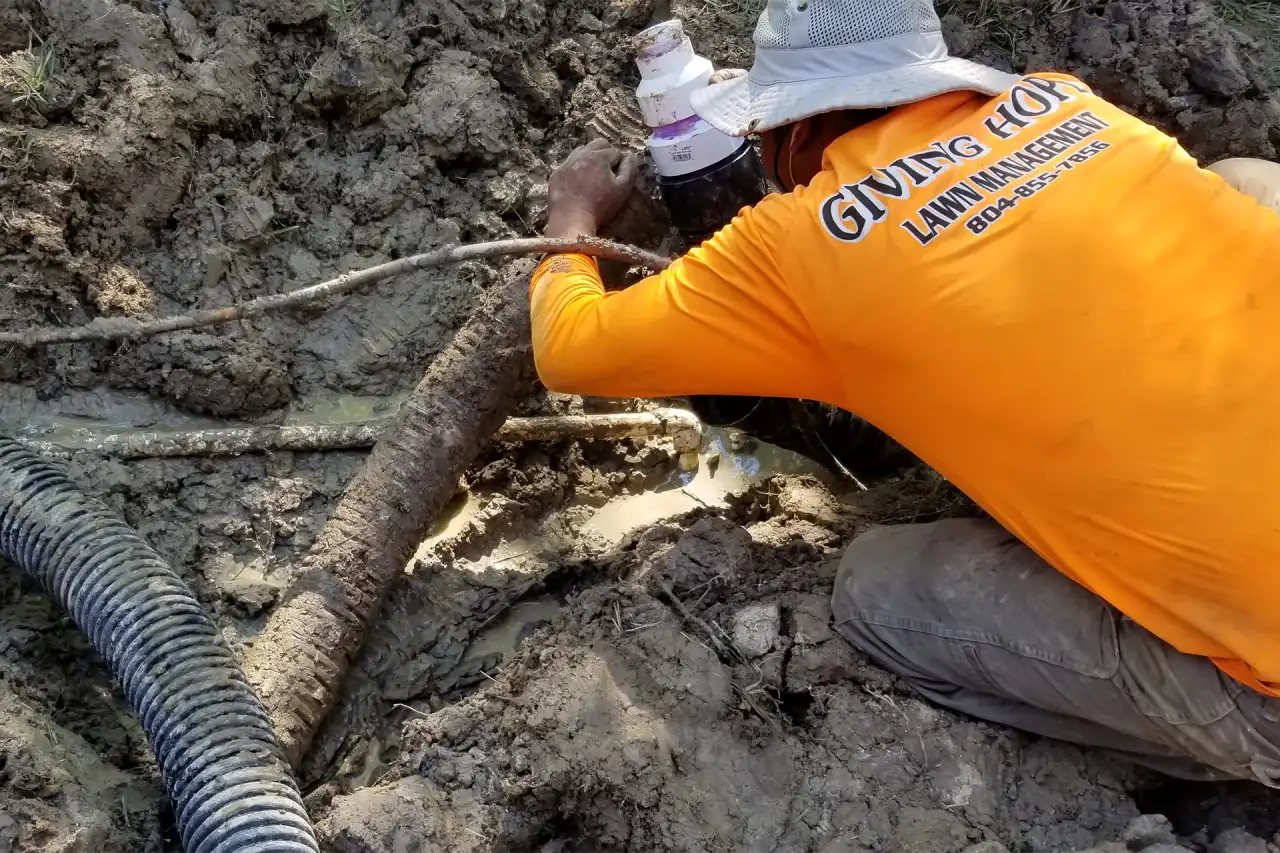
The damage often goes unnoticed until spring, when the system is turned back on and water starts pouring out of the ground, bubbling up from a broken head, or leaking from the backflow device.
The Backflow Preventer Is the Most Vulnerable Part
The backflow preventer is a device that keeps irrigation water from flowing back into your home's drinking water supply. In most Richmond-area homes, it sits above ground, often near the foundation or in a mulched bed, fully exposed to cold air.
Because it is above ground and contains brass parts and internal valves, the backflow device is usually the first component to freeze and the most expensive to repair or replace. Even a single cold night with water left inside can crack it.
How Cold Does It Get in Richmond?
Central Virginia winters are milder than those farther north, but hard freezes are still a regular part of the season. The first frost often arrives in late October or early November, and nights in the 20s are common from December through February. Occasional cold snaps can drop temperatures into the teens or lower.
That combination of regular freezes and occasional deep cold is enough to damage an unwinterized system, especially the above-ground backflow device and any pipes buried shallowly.
When to Winterize
Here is what we have found works best for the Richmond area. Schedule winterization once you no longer need to water the lawn, typically from late October through November, and before the first hard freeze is forecast. By November, cool-season lawns like tall fescue usually get enough water from rainfall and cooler temperatures.
Waiting until after a hard freeze is risky. Even one night in the low 20s can damage the backflow device if water is still inside.
What If an Early Freeze Is Coming?
If a hard freeze is forecast before the system has been winterized, a few steps can reduce risk. Shut off the water supply to the irrigation system. Open the drain valves or test cocks on the backflow device, if you know how, to let water out. And wrap the backflow device with an insulated cover. These steps are a short-term fix, not a substitute for a full winterization.
Signs of Freeze Damage in Spring
If a system was not properly winterized, freeze damage often shows up when it is turned back on. Look for water bubbling up from the ground between heads, soggy or sunken areas in the lawn, a cracked or leaking backflow device, sprinkler heads that do not pop up or spray unevenly, or a zone that will not hold pressure.
Why It Matters for Your Water Bill
A cracked pipe or fitting can leak a lot of water before anyone notices, especially in a zone that runs early in the morning. Catching problems before they happen through proper winterization protects both the system and your water bill.
Turn Off the Controller
Once the system is winterized, the controller should not try to run zones. Set it to off or rain mode so it does not try to run zones with no water. Many controllers keep their programming even when turned off, so your schedule will be ready in spring.
Protect the Backflow Device
After winterization, many homeowners add an insulated cover or bag over the backflow device for extra protection. It is an inexpensive way to guard against cold snaps and makes the device less noticeable in the landscape.
Check With Your Water Utility
Many Richmond-area water utilities have requirements for backflow devices on irrigation systems, including testing. If your system is due for testing, fall is a good time to ask about it. Requirements vary by locality, so check with your water provider.
Winterization and Your Lawn
Turning off the irrigation system for the winter does not mean the lawn stops needing water entirely. In a dry fall, tall fescue may still benefit from a deep watering now and then, which can be done with a hose until the system is winterized. Once temperatures stay cold and rain returns, the lawn rarely needs supplemental water.
Pipes Near the Surface Are at Risk Too
Most irrigation pipes in the Richmond area are buried only several inches deep, and sprinkler heads and valves sit right at the surface. Those shallow components can freeze during extended cold snaps, especially in low spots where water collects in the pipe. Clearing the lines removes that risk.
Homes Left Empty Over the Holidays
If you travel over Thanksgiving or the winter holidays, a system that was not winterized can leak for days before anyone notices. Winterizing before you leave removes that worry.
Do It Right the First Time
Winterizing a sprinkler system is not complicated, but it does require knowing where the shutoff valve is, how the backflow device drains, and how to clear water from each zone without damaging components. Mistakes can leave water in low spots or damage the system with too much air pressure.
Spring Start-Up Is Part of the Cycle
Winterization goes hand in hand with spring start-up. When the risk of hard freezes has passed, usually in April in the Richmond area, the system is turned back on gradually, checked zone by zone for leaks, broken heads, and coverage problems, and adjusted for the season ahead.
What a Properly Winterized System Looks Like in Spring
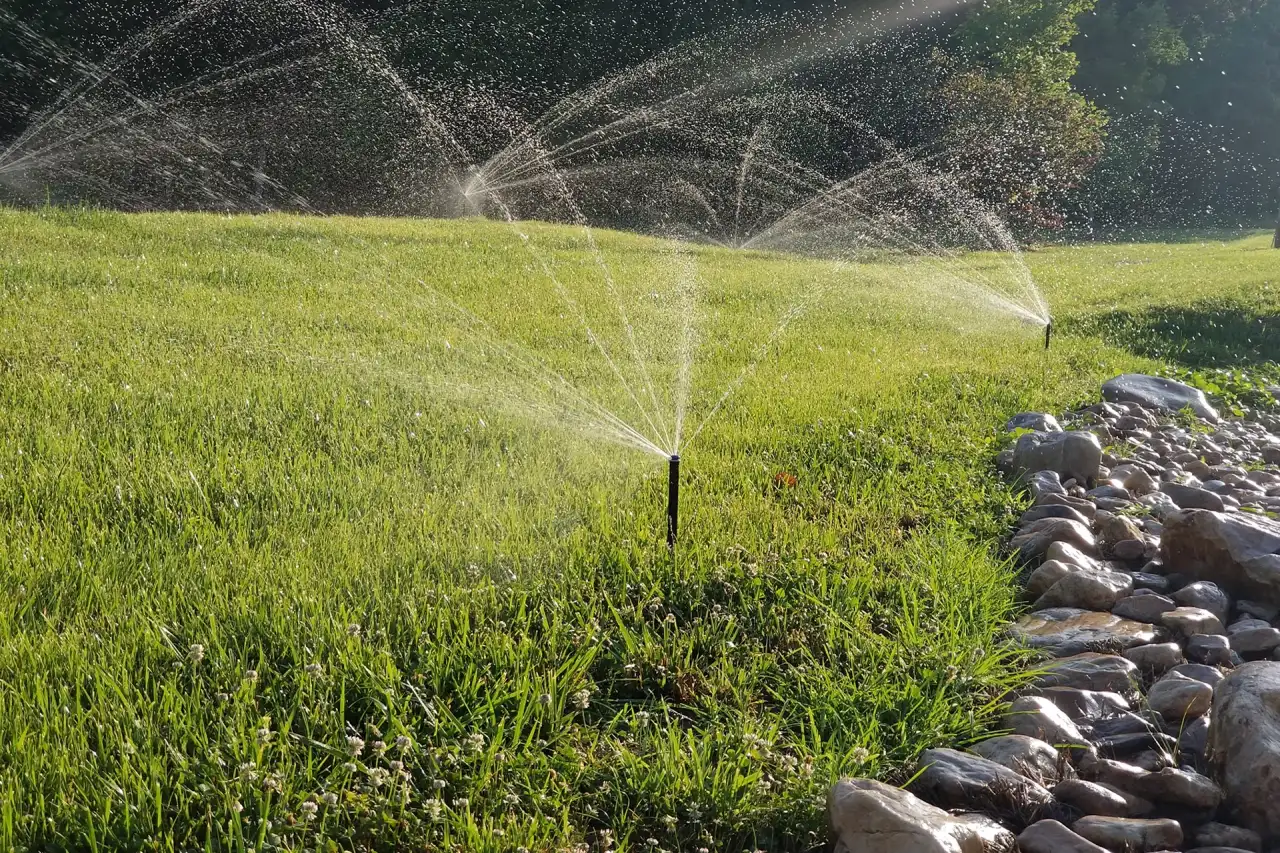
Imagine this. It is April. The fescue is greening up, and it is time to start watering again. The system is turned back on, every zone runs, every head pops up and sprays where it should, and there are no puddles or bubbling leaks. The backflow device is intact. The work you did in November paid for itself.
What to Do Next
Make a note to winterize your sprinkler system in late October or November, once you no longer need to water and before the first hard freeze. Locate your irrigation shutoff and backflow device now, and if a hard freeze is forecast before winterization, shut off the water, drain the backflow device if you know how, and cover it.
If you would rather have someone else handle it before the first hard freeze, we are here for that. Giving Hope Lawn Management offers sprinkler system winterization in Richmond, Glen Allen, Mechanicsville, and the surrounding area. Call 804-405-0211 or visit givinghopelawn.com to request a free quote.
Here is what to expect. We will locate your system's shutoff and backflow device, talk through how your system is set up, and explain how we will winterize it before we start. You will know what was done and what to do when it is time to turn the system back on in spring.